
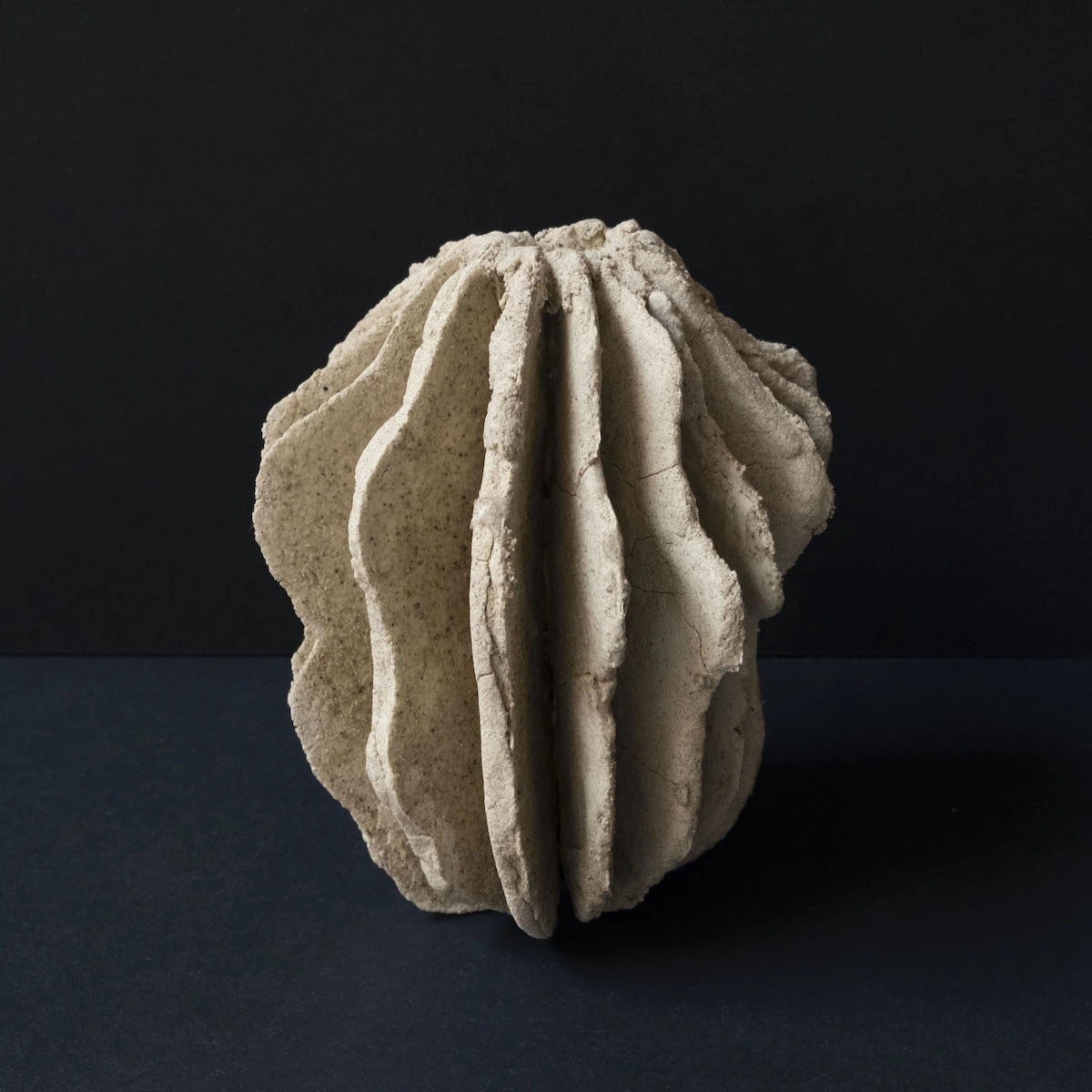
新石紀
2021
Mineral Byproducts, Geopolymerization
various sizes
Introduction研究簡介
Make Things Like Earth
人造自然
The concrete industry is associated with significant environmental challenges. Could we develop alternative manufacturing methods by reclaiming industrial byproducts instead of continuously extracting new resources?
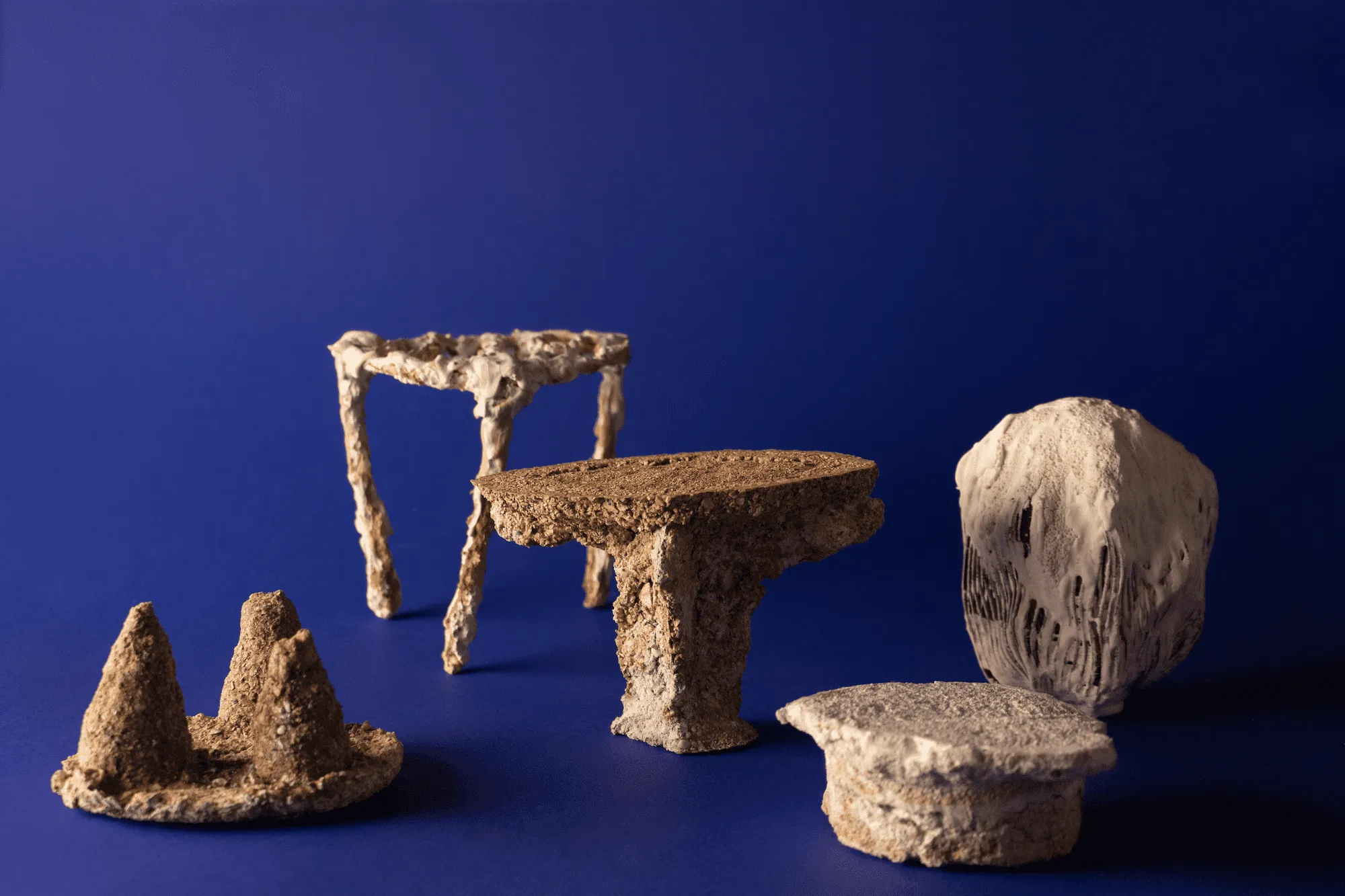
Neo Stone Age explores this possibility through geopolymerization, combining marble and limestone powders, lime pellets, sand, and slag to create an artificial stone material called Neostone. The research investigates how discarded minerals can be transformed into new materials and reintroduced into cycles of production.
水泥產業帶動發城市發展,卻也是多種環境污染的源頭之一,本實驗計畫嘗試透過開發研究“地質聚合物“這樣的創新材料,從實作與想像中來思考人類是否能藉由將工業礦物廢料的再利用,達到可持續性發展的材料循環目的。透過這樣的實驗計畫,從拆遷工程中的水泥、工廠中切削後大理石粉末、礦坑中遺留的石灰岩粉末以及海邊的砂礫與貝殼中,聚合出礦物人造石。這樣的礦物人造石從材料的角度提出了新的可能與工法。通過向地球學習與模仿地質成形,模糊了人造與天然之間的界線。
Chapter 1第一章
Domesticating Limestone
收服石灰岩
Calcium carbonate is widely found throughout Earth. It exists in rivers and lakes, forms the skeletons and shells of living organisms, and accumulates through natural processes to create tufa, stalagmites, caves, and mountains. The same substance can also be found inside our kettles and water pipes.
From agriculture and food production to glassmaking and cement manufacturing, calcium carbonate plays an important role in numerous industries. Yet much of the limestone used today is still extracted from quarries, transforming landscapes and leaving behind tailings and other byproducts. Could we find alternative sources of minerals within our existing surroundings?
Limescale is one such overlooked resource. Produced through water treatment processes, these mineral deposits are often regarded as unwanted byproducts and discarded. This research investigates how limescale can be reconsidered as a useful material and how mineral residues might be recomposed into substances suitable for building and everyday use through geopolymerization.
This raises a broader question: what would a new stone age look like if cities could harvest their own mineral resources and transform them into new building materials and everyday objects? Could these methods of harvesting and making become integrated into urban systems, gradually reshaping the environments in which we live?
And within this domesticated landscape, how might we learn to dwell with Earth?
碳酸鈣是地球上廣泛存在的物質。它溶解於河流與湖泊之中,構成生物的骨骼與貝殼,也透過自然沉積形成石灰華、鐘乳石、洞穴與山體。同樣的物質,也存在於日常生活中的熱水壺與水管裡。從農業、食品、玻璃製造到水泥生產,碳酸鈣被廣泛應用於各種產業。然而,現代工業所需的石灰岩大多仍來自採石場。大量的開採不僅改變地貌,也留下尾礦與其他採掘副產物。我們是否能從周遭既有的物質循環中,尋找其他材料來源?
水垢就是其中一種經常被忽略的碳酸鈣資源。它是水處理過程中所產生的礦物沉積物,通常被視為不需要的副產物而遭到丟棄。這項研究試圖重新認識水垢作為材料的可能性,並探索如何透過地質聚合技術,將這些礦物重新組合為可以建造與使用的物質。由此延伸出的問題是:如果城市能夠回收自身產生的礦物,並將其轉化為新的建築與生活材料,一個「新石器時代」將會呈現什麼樣貌?這套材料採集與製造方式,是否能融入城市系統,逐漸改變我們的室內外生活環境?在這片經過人類重新編排的地景之中,我們又將如何成為與地球共同生活的居住者?
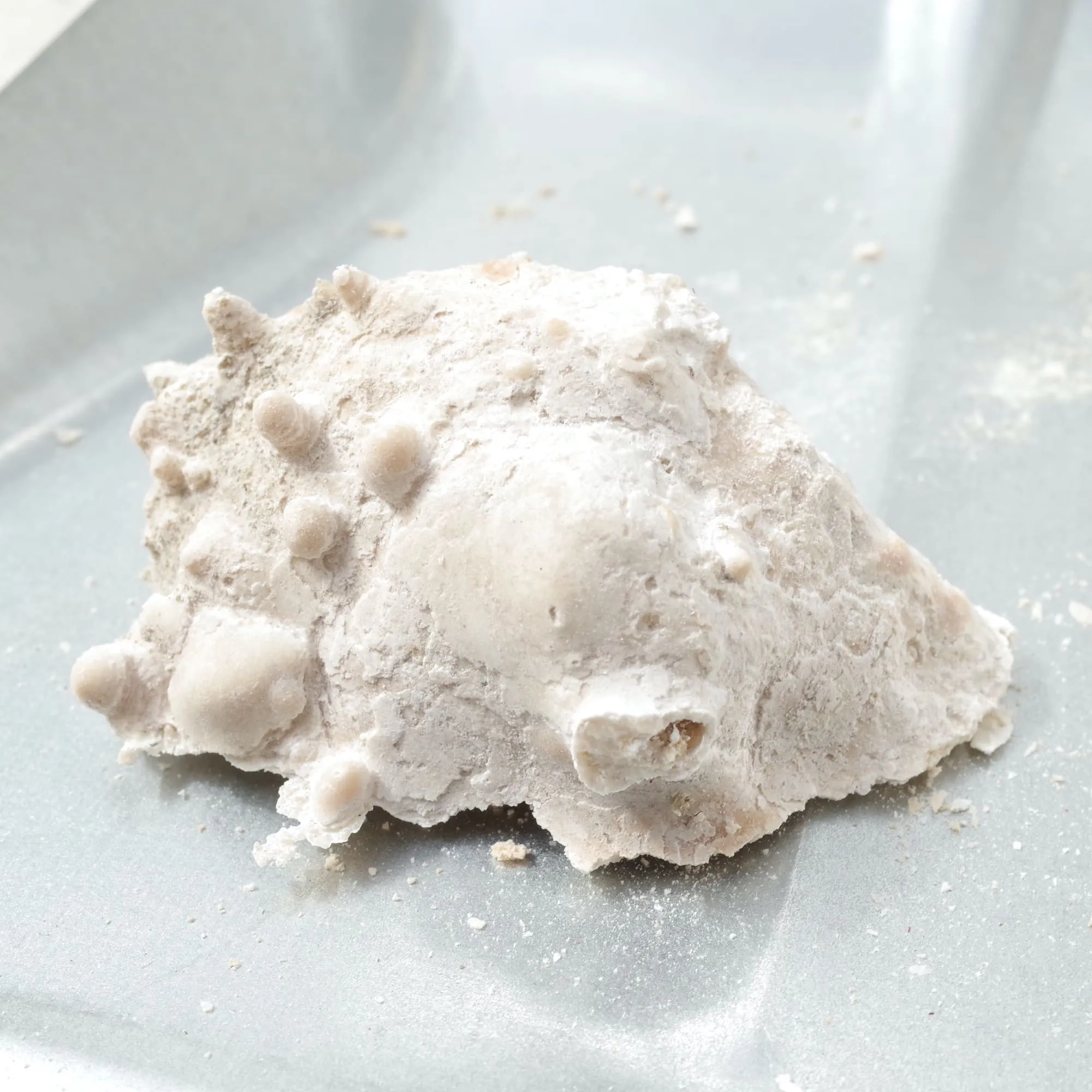
Limescale
游泳池水垢
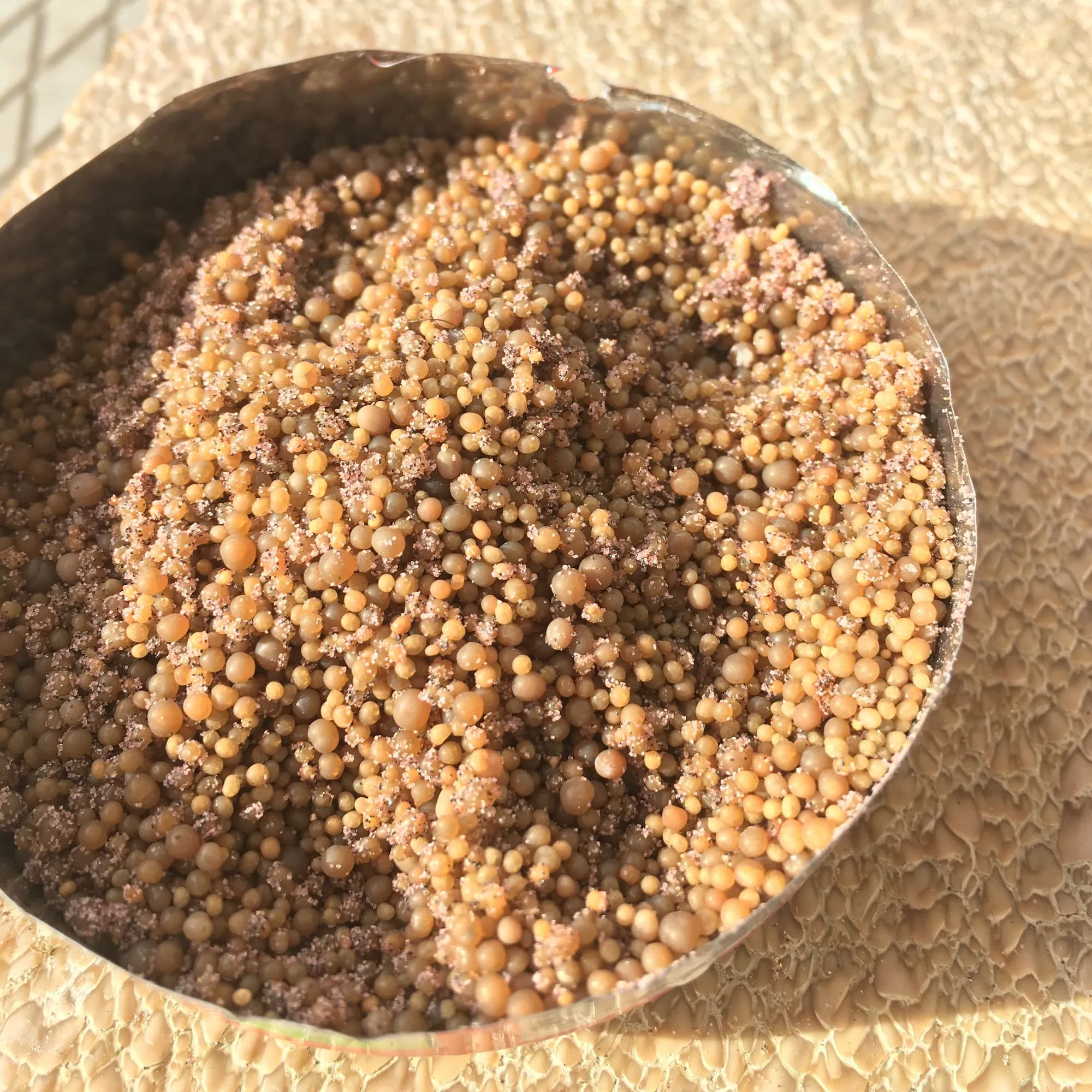
Lime pellets
硬水萃取顆粒
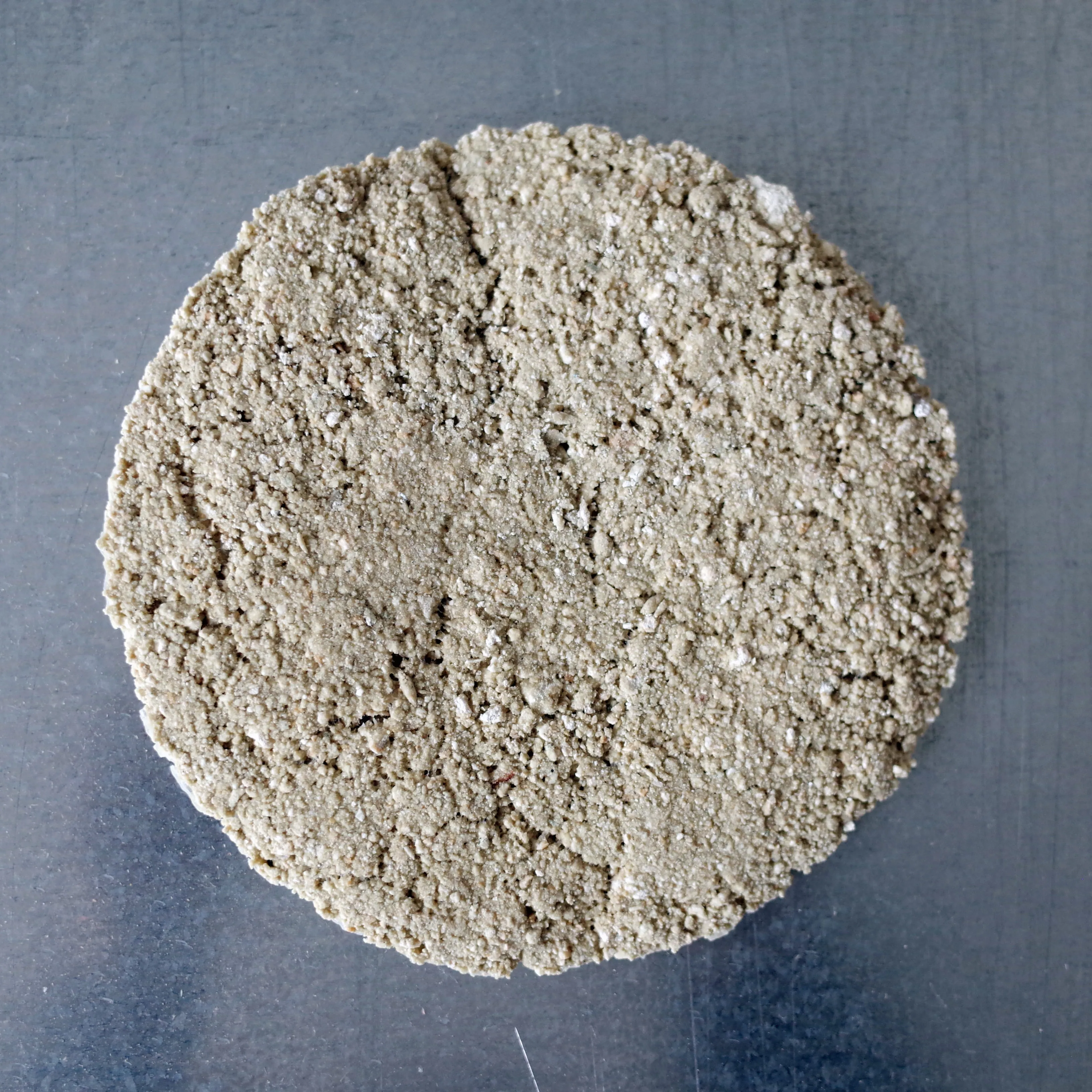
Geopolymer
地質聚合物
Research材料介紹
Geopolymer
地質聚合物
Geopolymerization is a chemical process in which minerals containing silica and alumina react in an alkaline environment to form inorganic binding materials.Developed and advanced by French researcher Joseph Davidovits, geopolymer technology has also been associated with the possibility that certain ancient building materials relied on comparable chemical principles. While geopolymer cements are among its most familiar applications, the process can also be used to produce refractory materials and structural components, offering alternative approaches to combining and manufacturing inorganic materials. 地質聚合技術(Geopolymerization)是一種利用鹼性溶液,使含有矽與鋁成分的礦物產生化學反應,形成具有黏結能力之無機材料的製程。這項技術由法國研究者 Joseph Davidovits 推廣與發展,其形成的地質聚合水泥,也被認為可能與古代使用的某些建築材料具有相似特性。除了作為水泥與建築黏結材料,地質聚合物也能應用於耐火材料及其他結構性製品,為無機材料的重新組合提供不同的製造途徑。
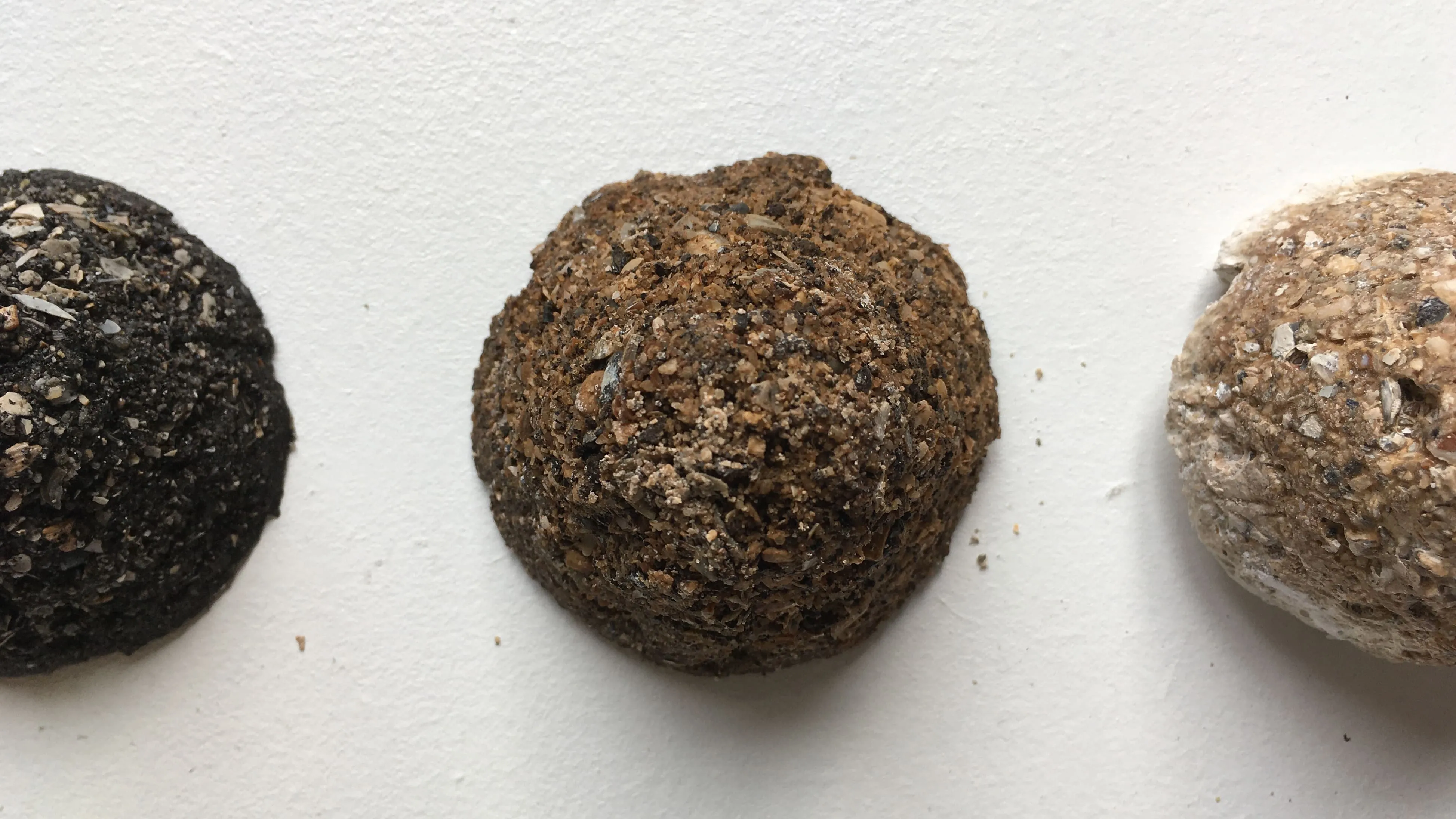
Chapter 1.1
Observation
Chapter 1.2
Harvesting & Making
Chapter 1.3
A Trip to Neostone Town
Chapter 1.4
Speculative Urban Plan
Chapter 2第二章
Synthesizing Neostone
合成新礦物
Building upon the investigation of urban mineral resources, this chapter turns toward material synthesis. Rather than treating industrial mineral byproducts as waste, it explores how they can become ingredients in an alternative manufacturing process.
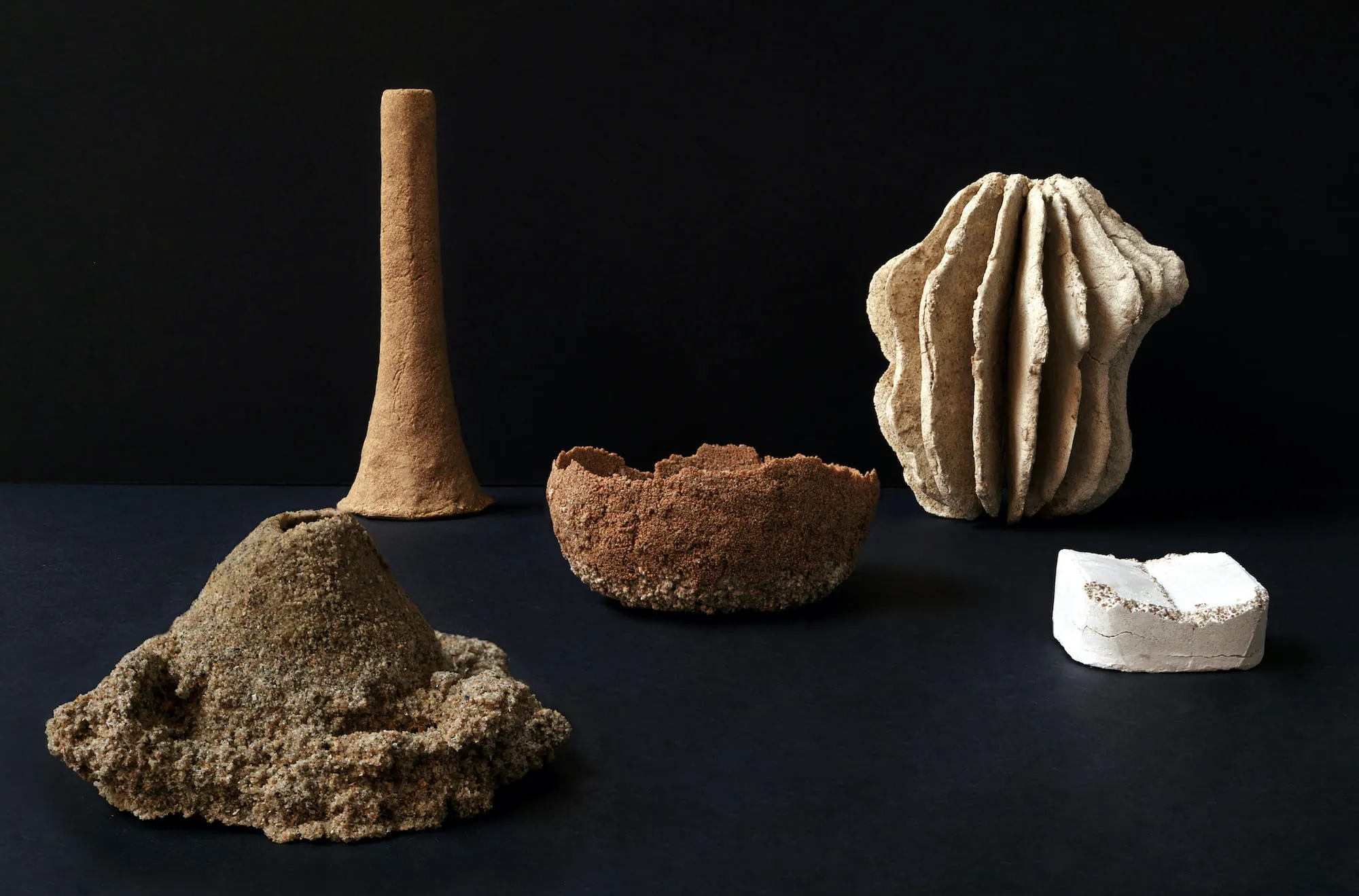
Neostone is an experimental material developed by recomposing marble powder, lime pellets, sand, slag, and other mineral residues through geopolymerization. By working with different material compositions, the research investigates how locally available byproducts can be transformed into new stone-like materials, giving unwanted minerals another role within urban material cycles.
Beyond developing an alternative to conventional materials, Neostone also questions the relationship between naturally formed and human-made matter.
By learning from Earth's geological processes and translating mineral transformation into experimental manufacturing techniques, the research explores how the boundaries between natural formation and industrial production might become less distinct. In this way, material synthesis becomes both a practical investigation and a means of imagining different systems of making.
混凝土產業所帶來的環境負擔,促使我們重新思考既有的材料製造方式。工業製程中被視為廢棄物的礦物,是否能透過地質聚合技術,轉化為新的建築與生活材料?此計畫同時是一項材料實驗,也是一種對替代製造系統的想像。研究將大理石粉、石灰顆粒、砂與爐渣等工業副產物重新組合,探索如何讓這些不再被需要的礦物,重新進入城市的物質循環。地質聚合技術並不只是試圖以新的材料取代既有材料,更希望重新理解自然生成物與人造物之間的關係。透過學習地球的地質作用,並將礦物的形成與轉化過程轉譯為人類可操作的製造技術,研究試圖模糊自然造物與人工製造之間的界線,進一步探索工業生產系統的其他可能性。
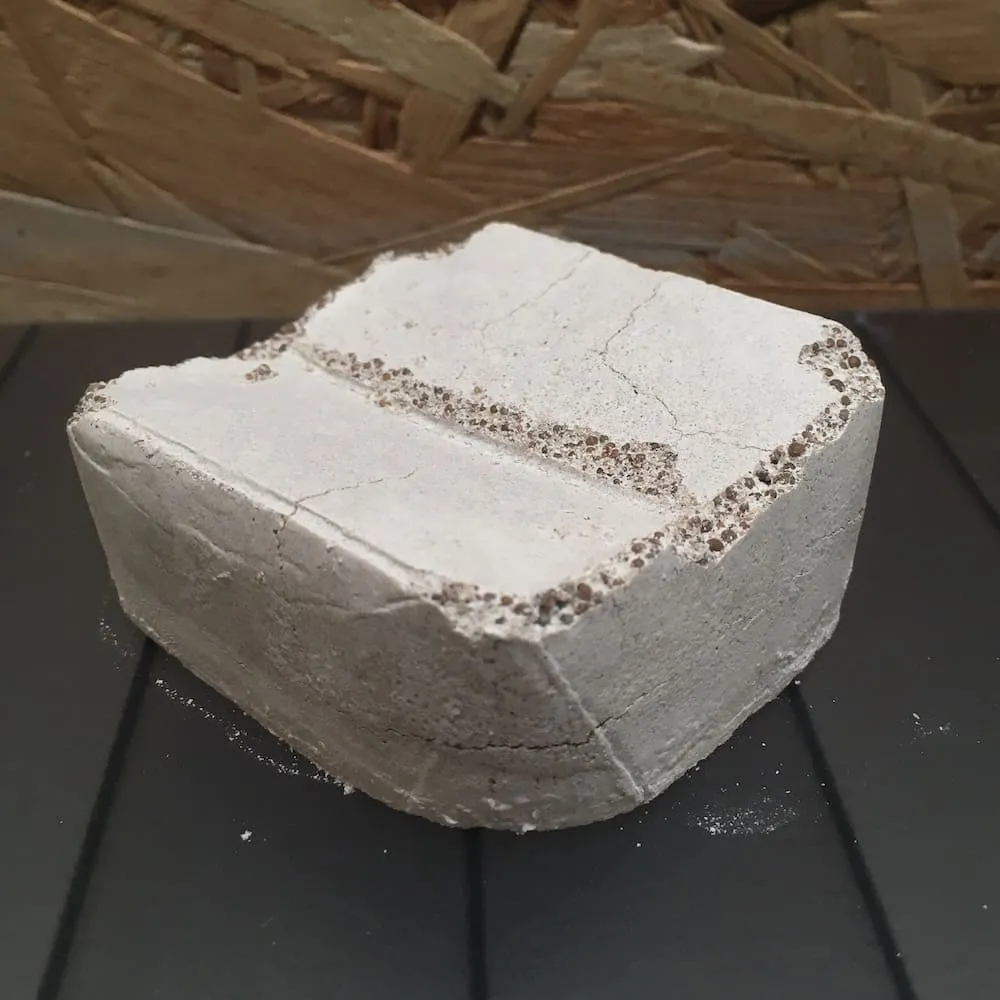
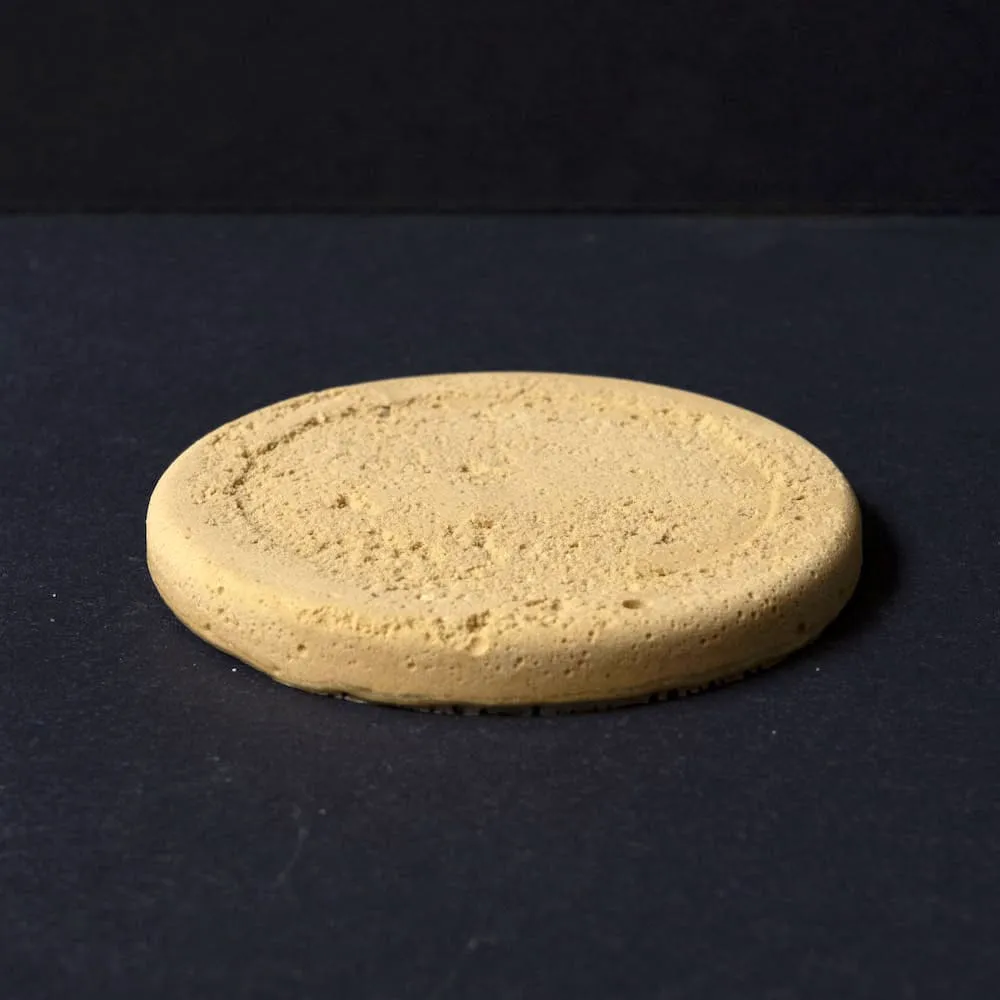
Limestone
石灰岩
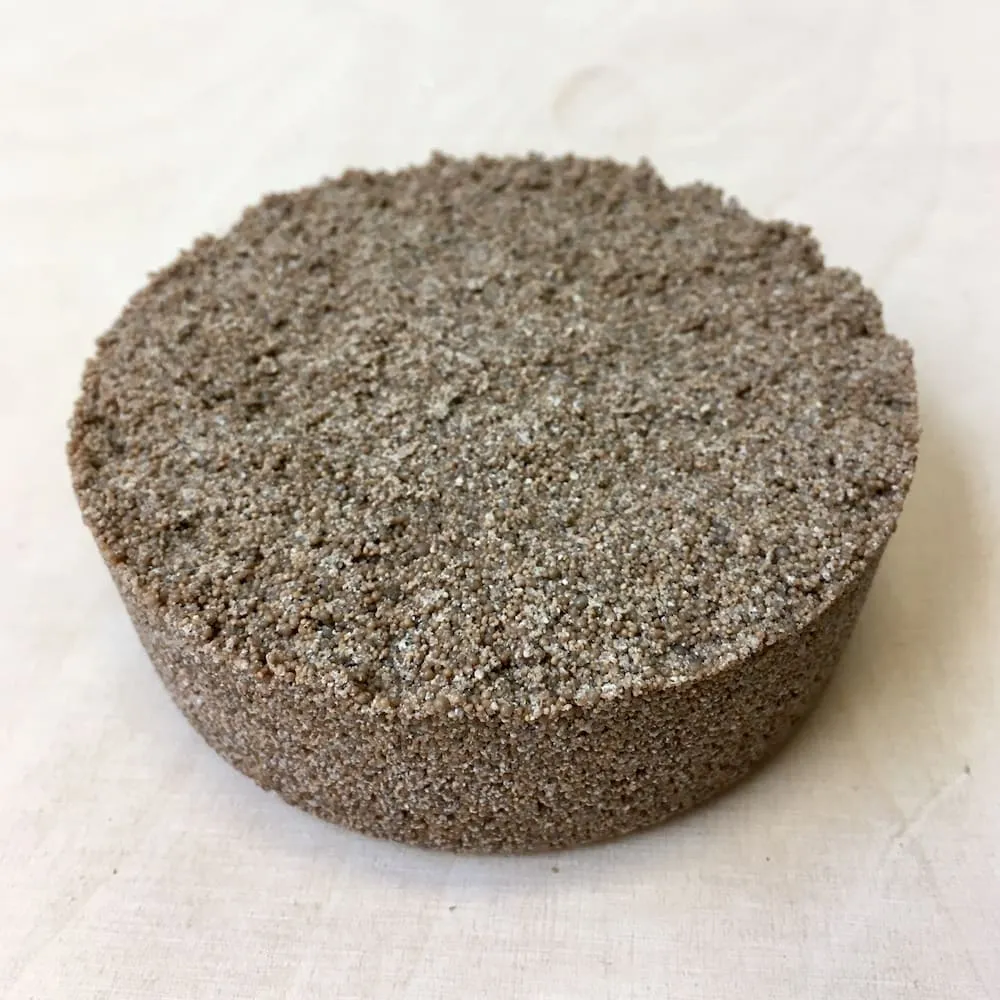
Sand
海砂
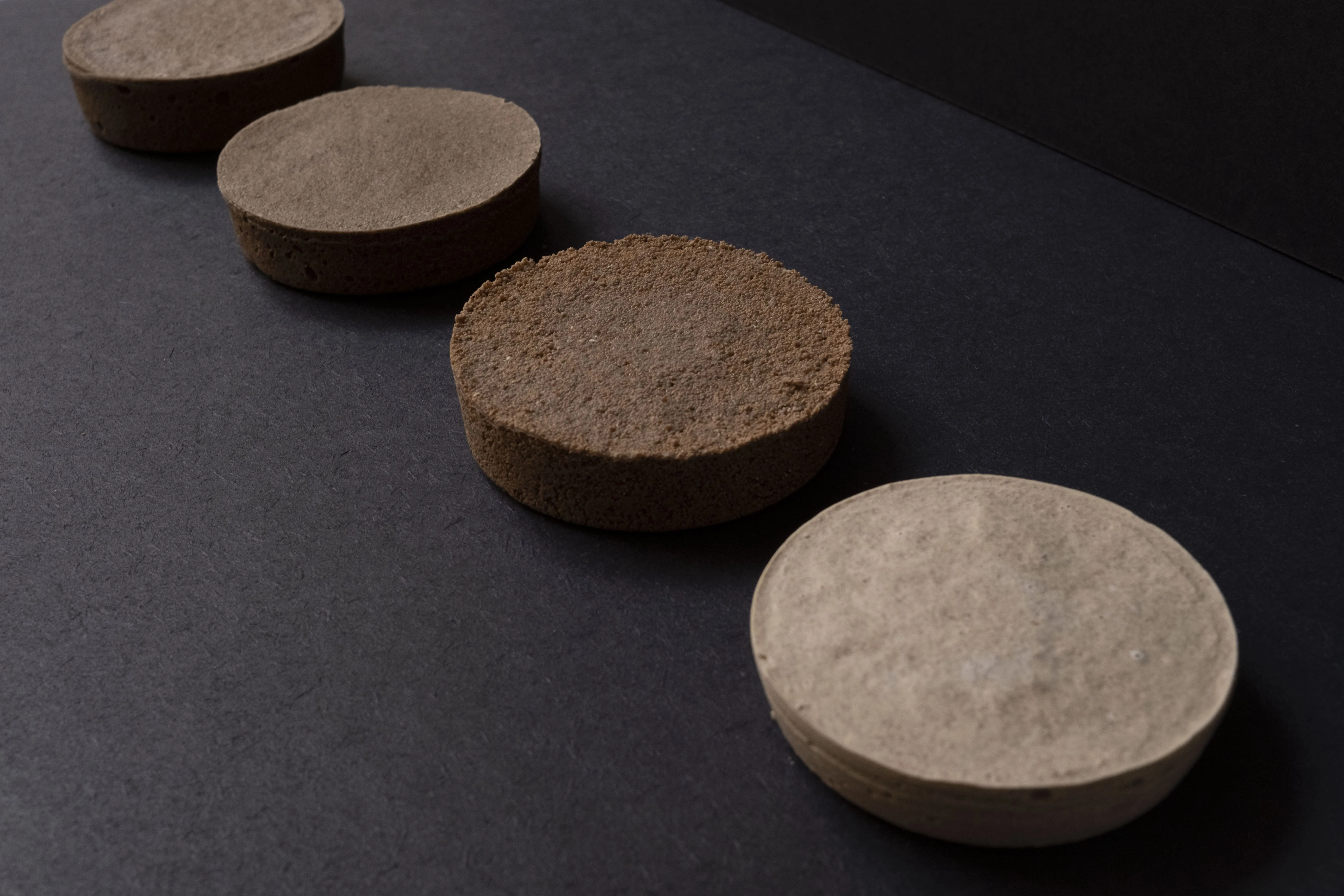
Marlstone
泥灰岩
Process發展過程
Experiments
材料實驗
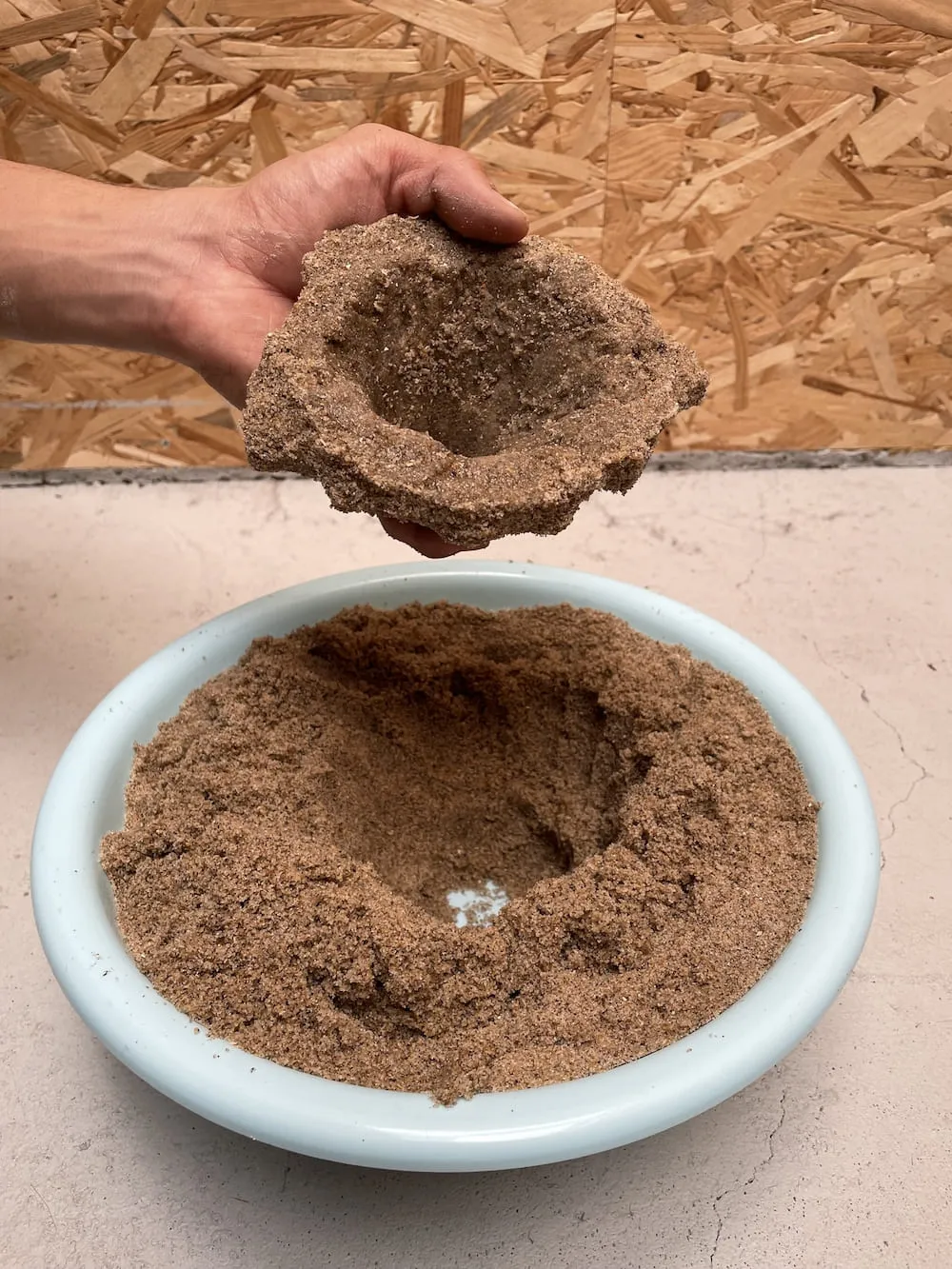
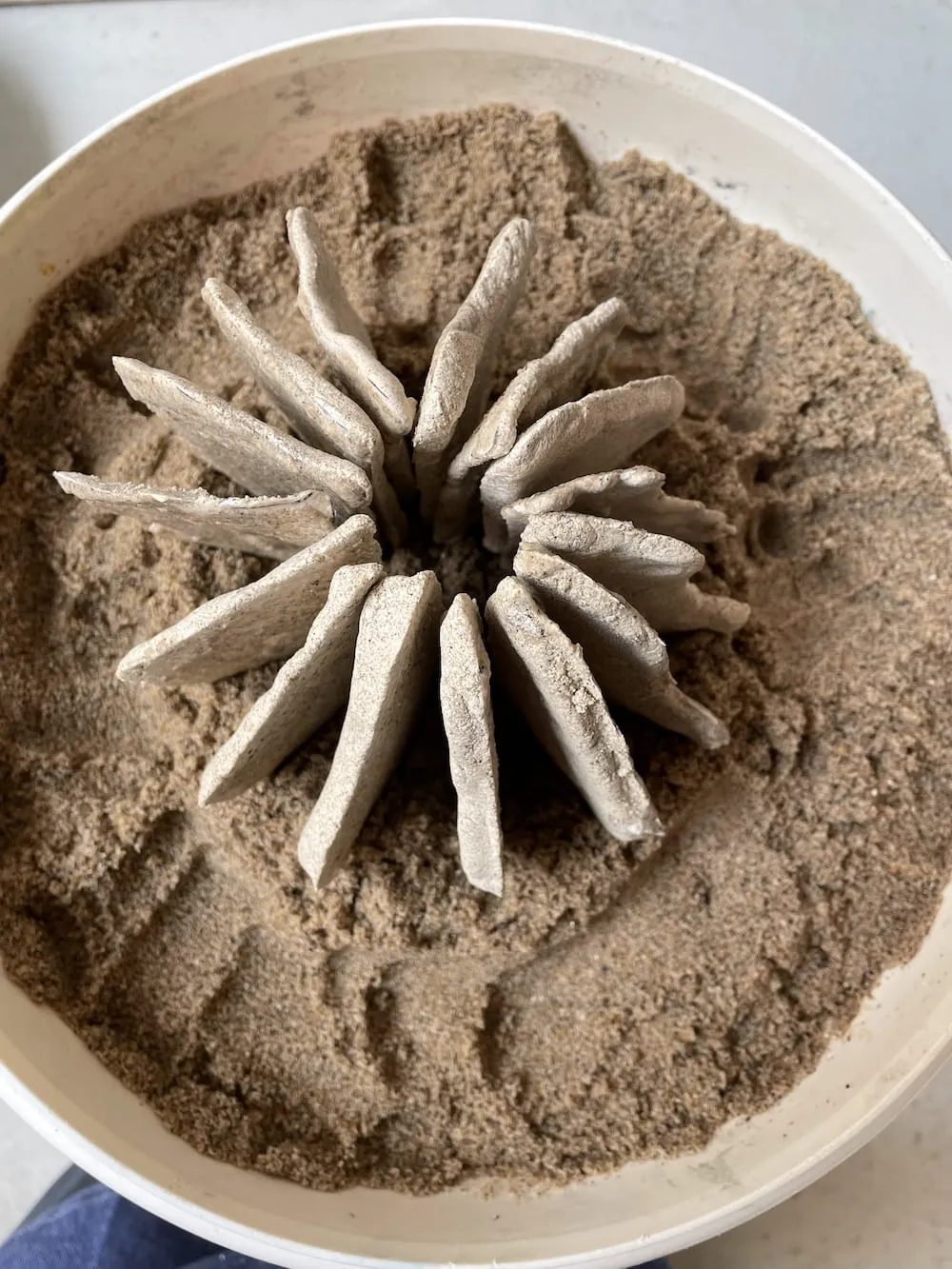
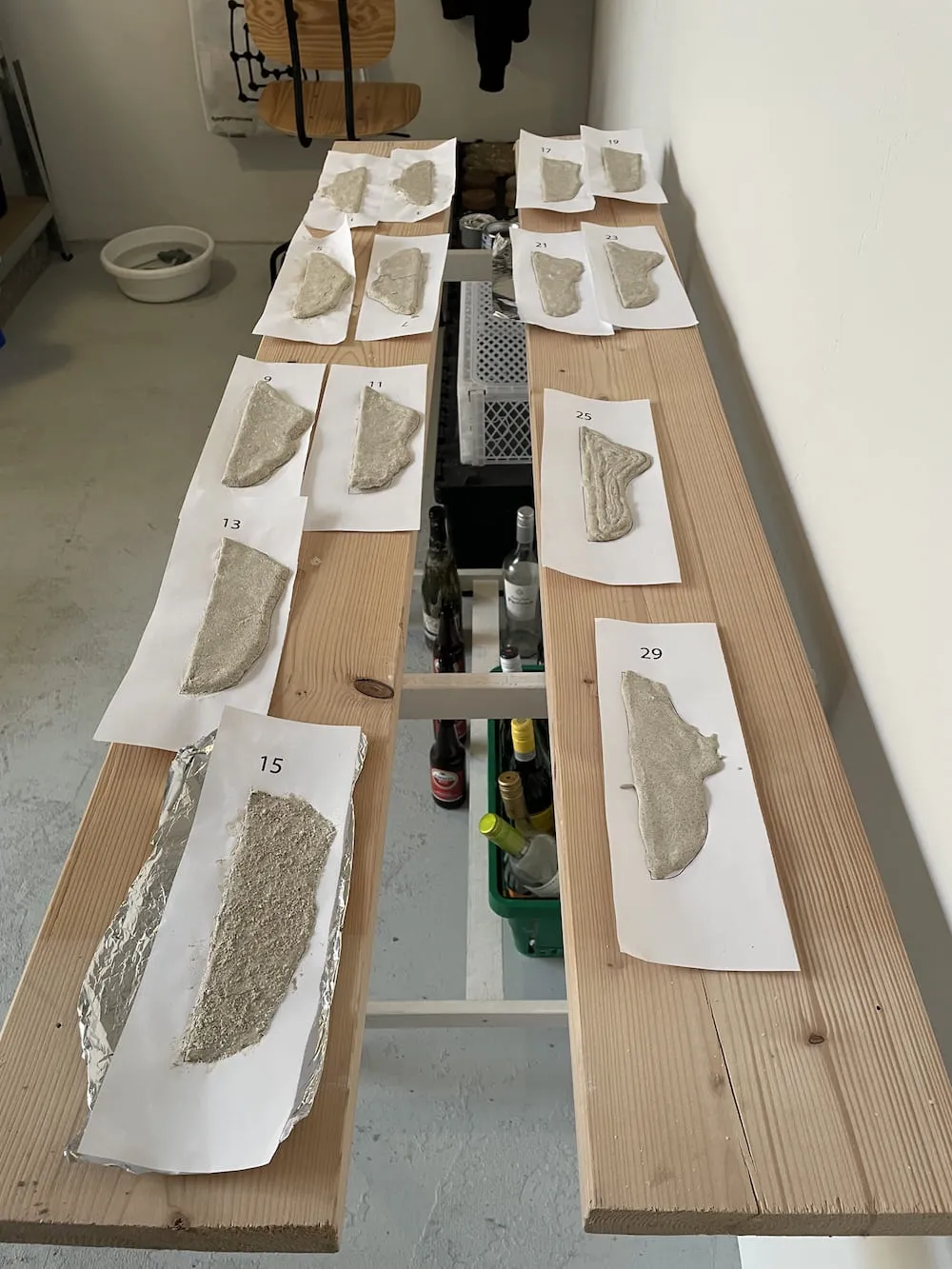
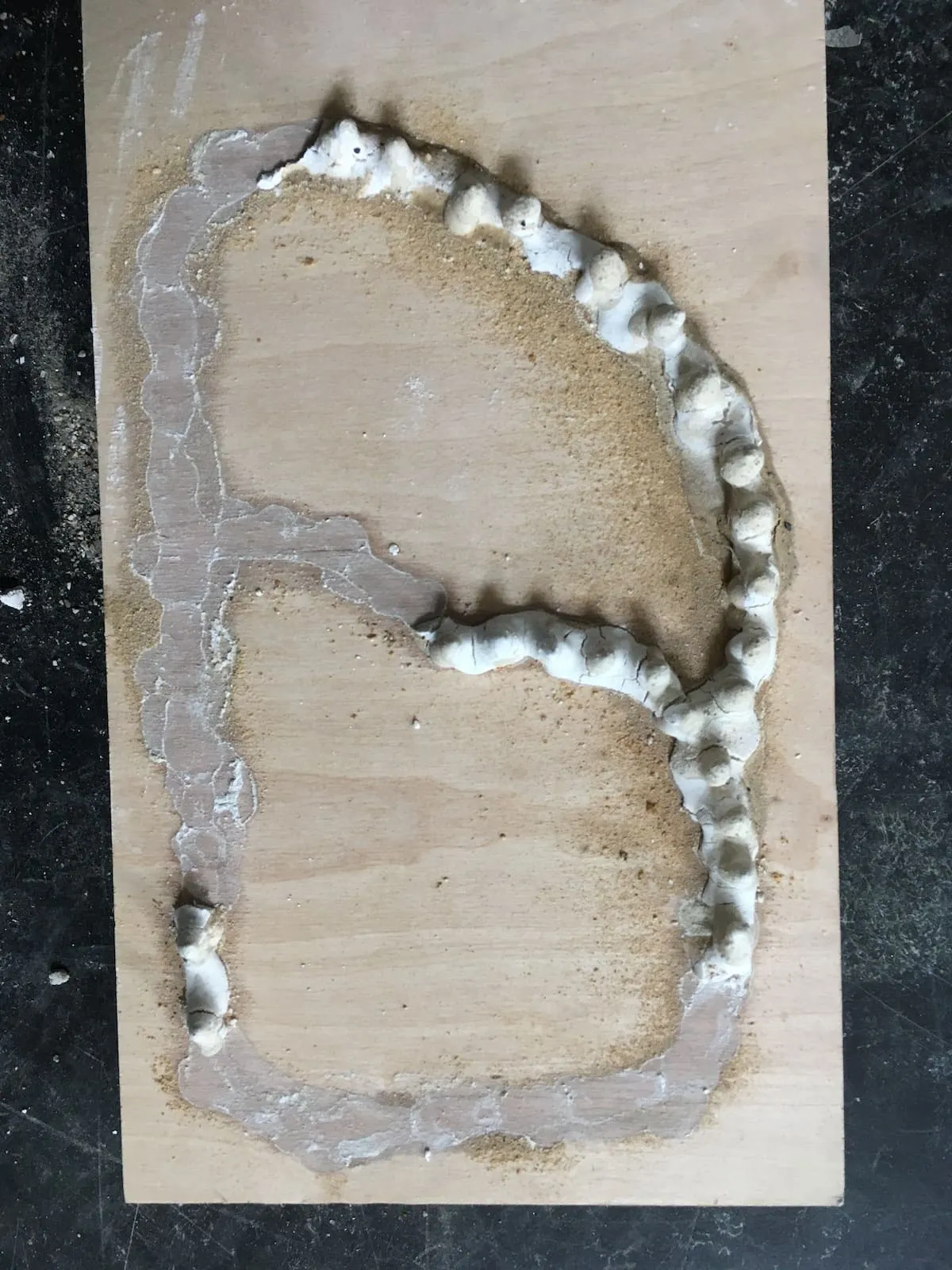
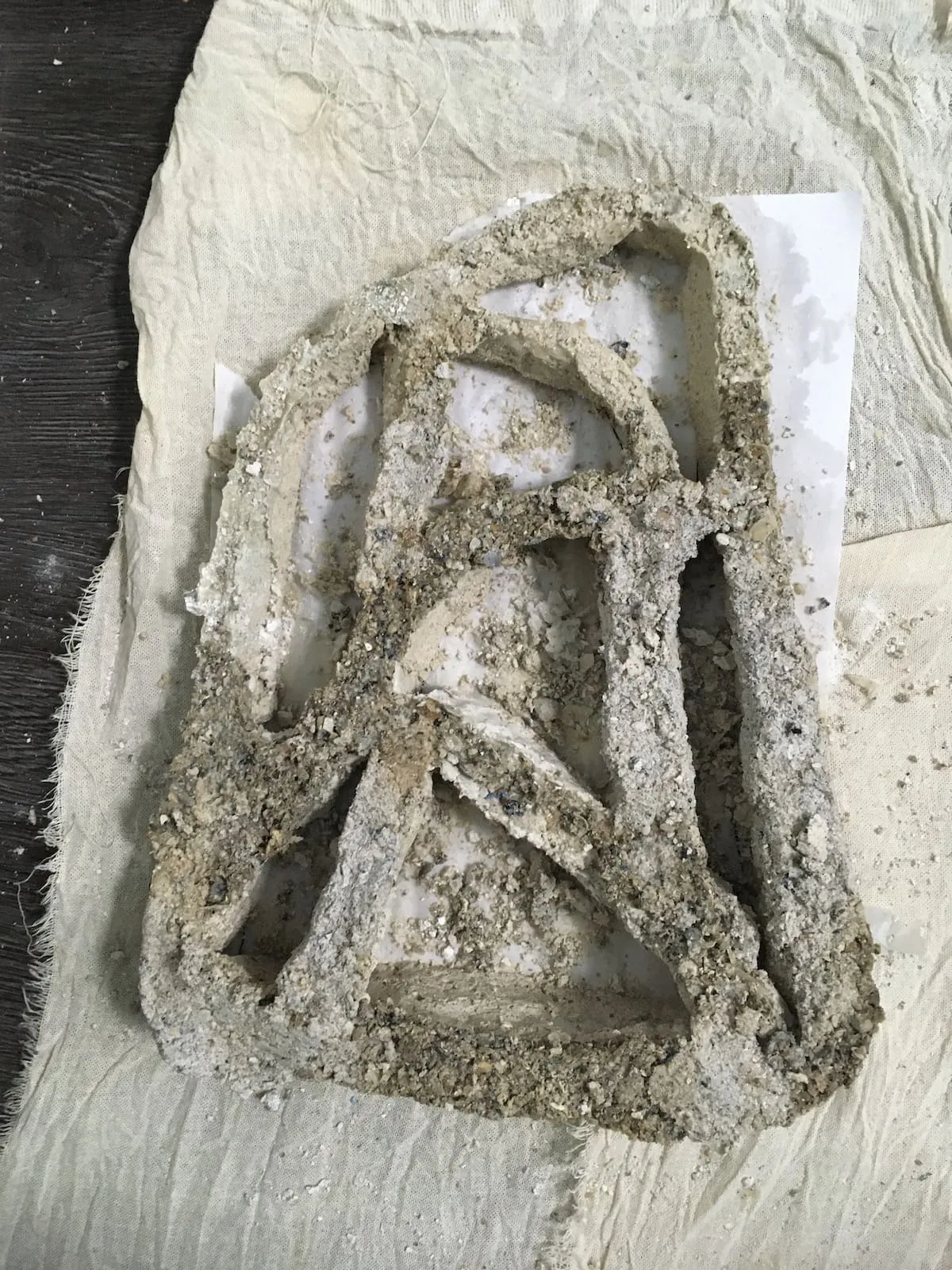
Collection系列作品
Form Follows Gaia
新怪石供
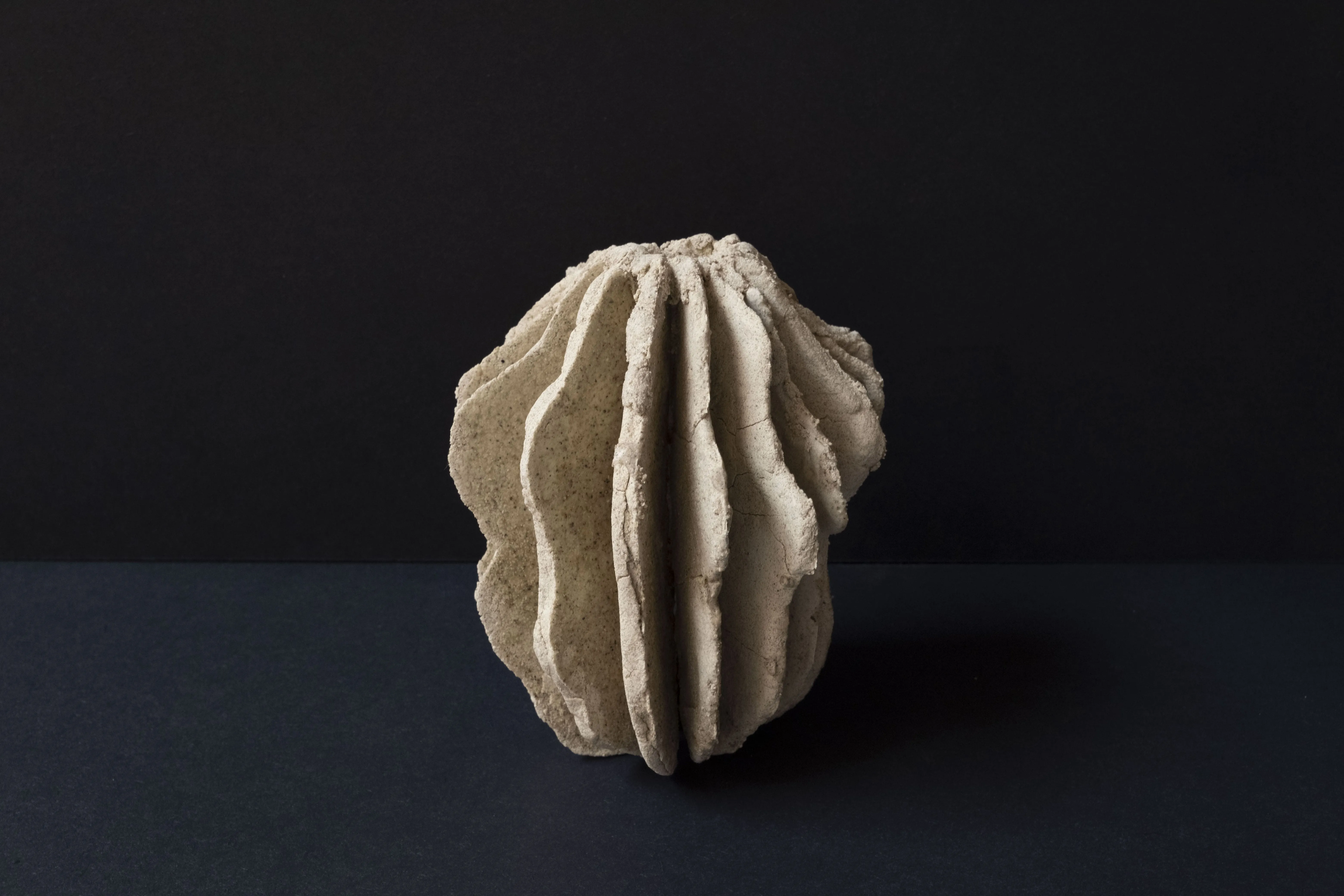
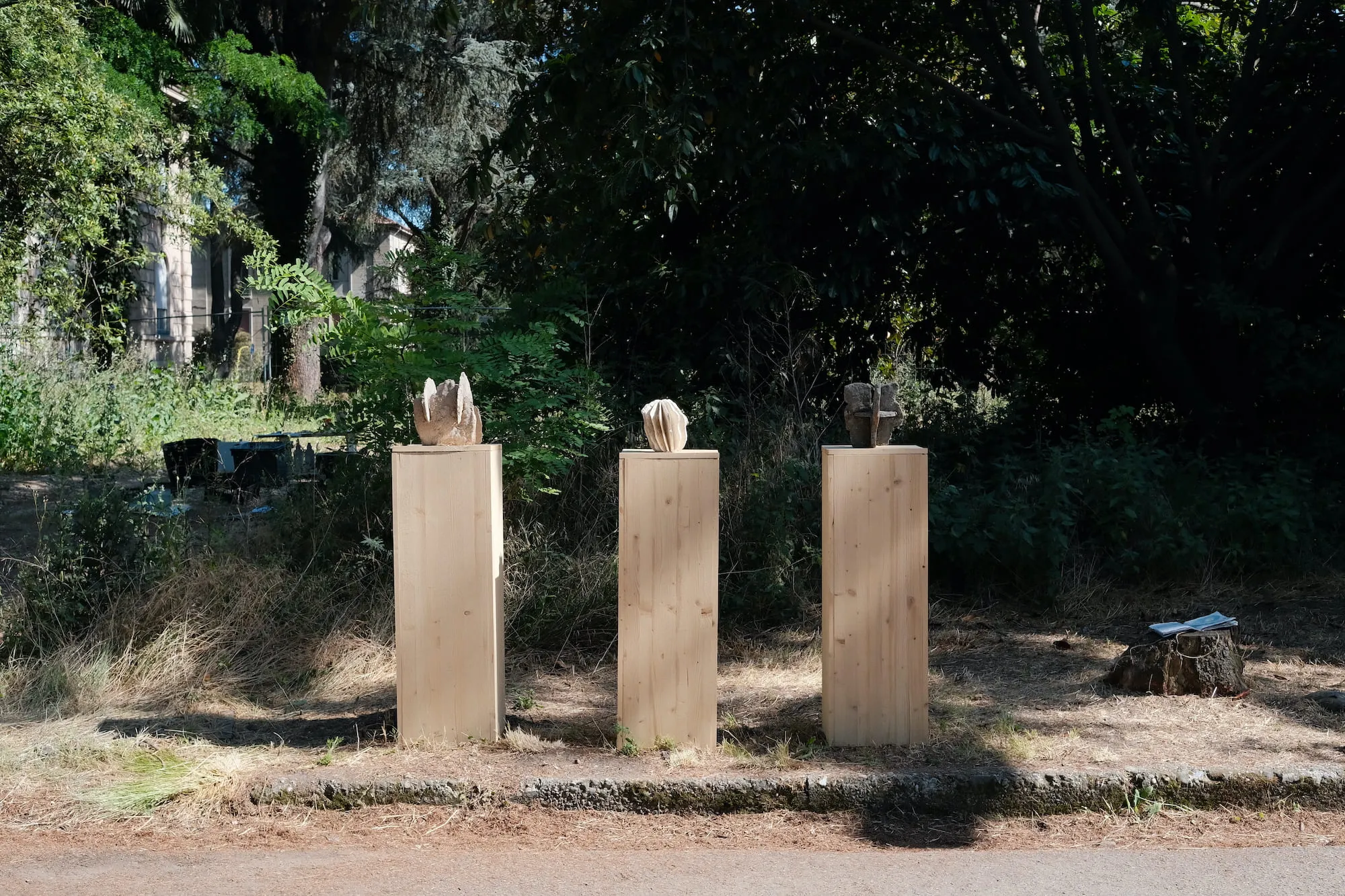
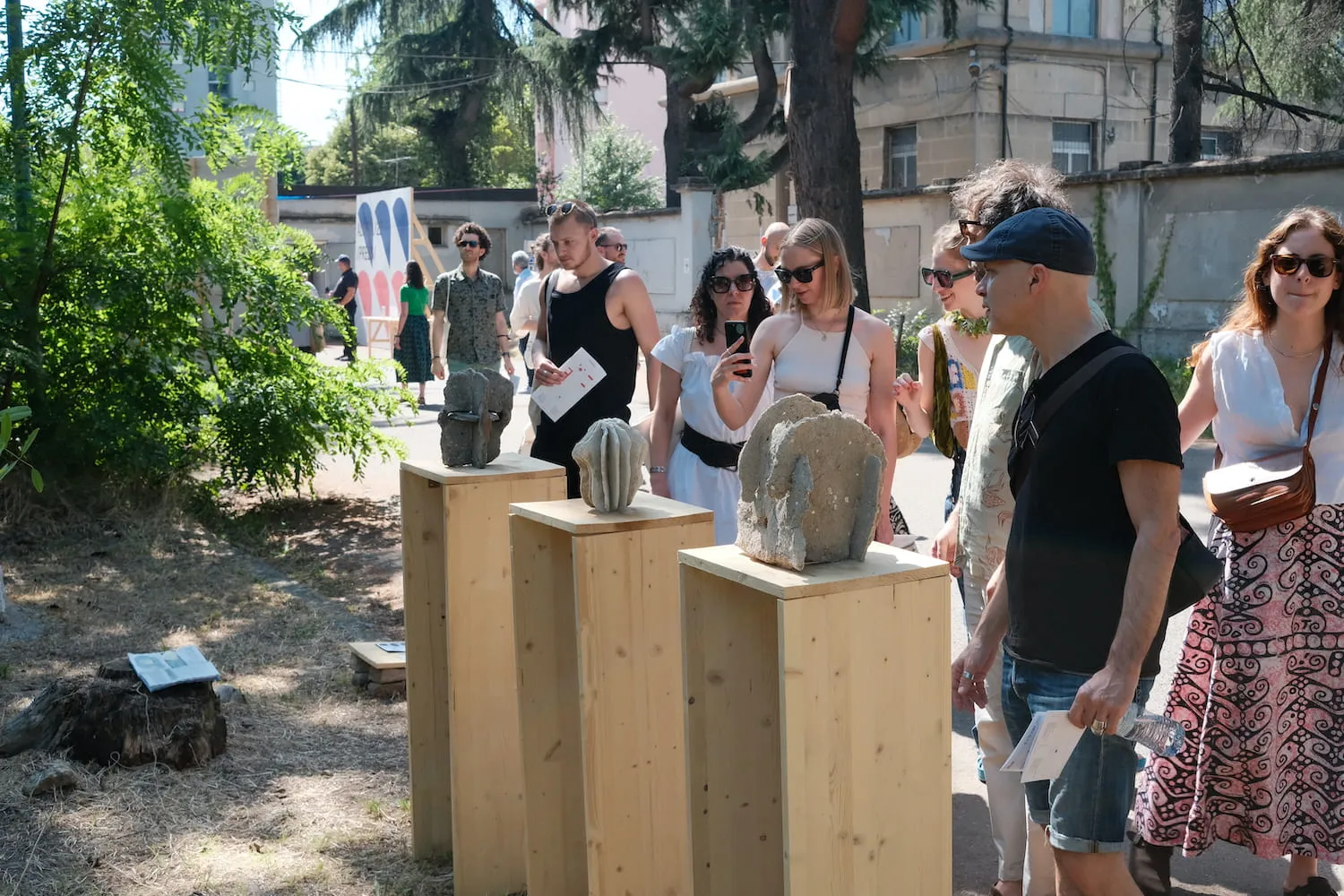
Across Asia, traditions of appreciating naturally formed stones have long involved collecting distinctive rocks from landscapes and bringing them into gardens or interior spaces as objects of contemplation.Drawing upon this tradition, the research uses natural stones as references, translating their forms into digital models before reconstructing them through a combination of digital design and hands-on making.
Neo Scholar's Stones explores the boundary between natural and manufactured forms. At the same time, the collection proposes another approach to material use: creating objects with geological characteristics from reclaimed industrial byproducts, rather than relying entirely on the continued extraction of natural stone.
在亞洲的賞石文化中,人們會從湖泊、山林與洞穴等自然環境中尋找形態特殊的石頭,將它們帶入庭園或室內,作為觀賞與沉思的對象。延續這個傳統,利用“地質聚合物”創造出新怪石供 / scholar’s stone。透過此系列,這種把天然石頭轉化成居家擺飾品的概念,呼應設計師本人其創作理念,試圖模糊自然形態和人造形態之間的界限,它也展現出了重新利用人造廢棄原料而不是持續竊取自然資源的可能性。創作過程中參考真正的石頭並配合電腦建模重新切片組合,創作出兼具手感與數位的造型。
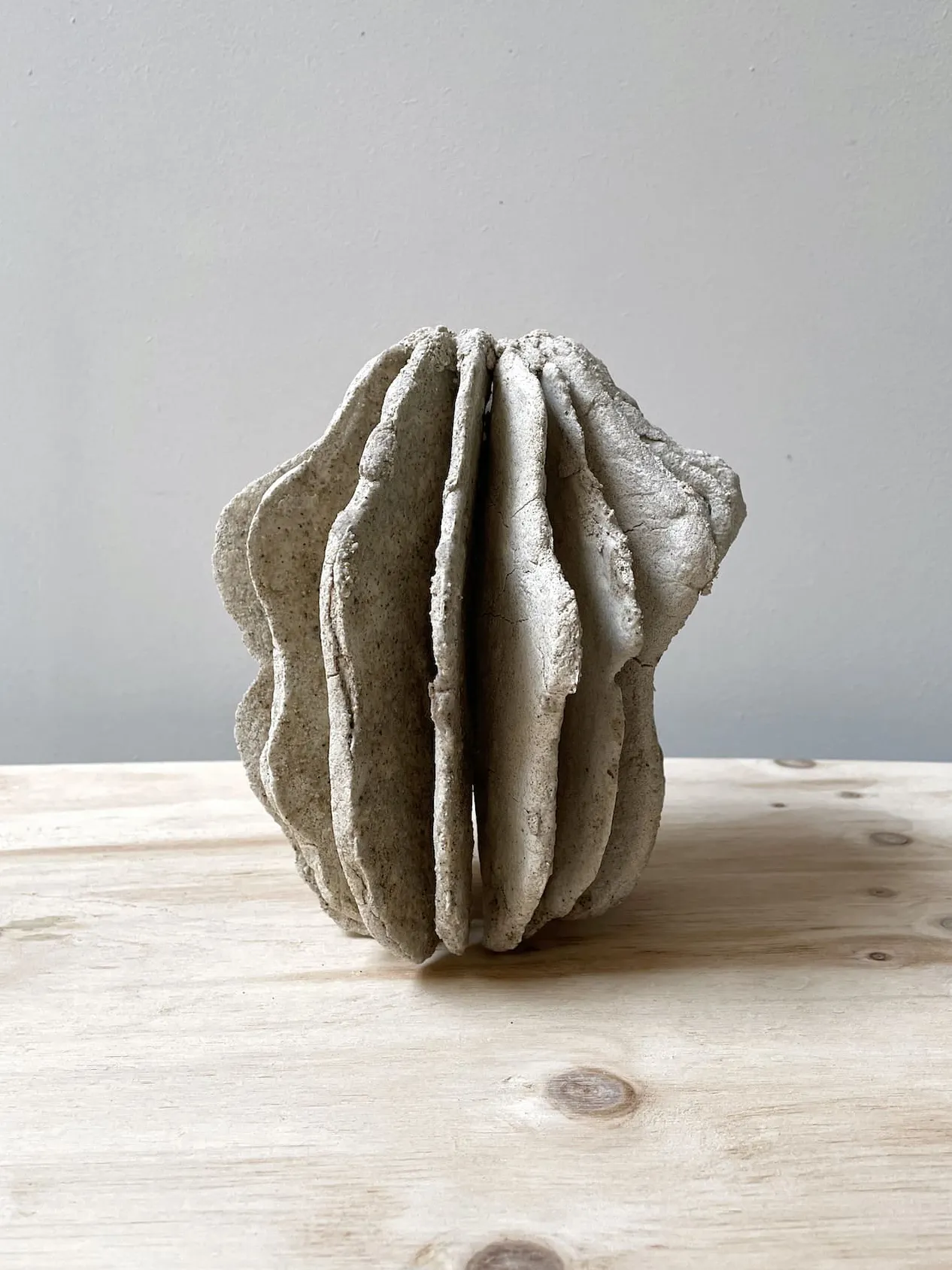
#001 — Lime pellets + sand
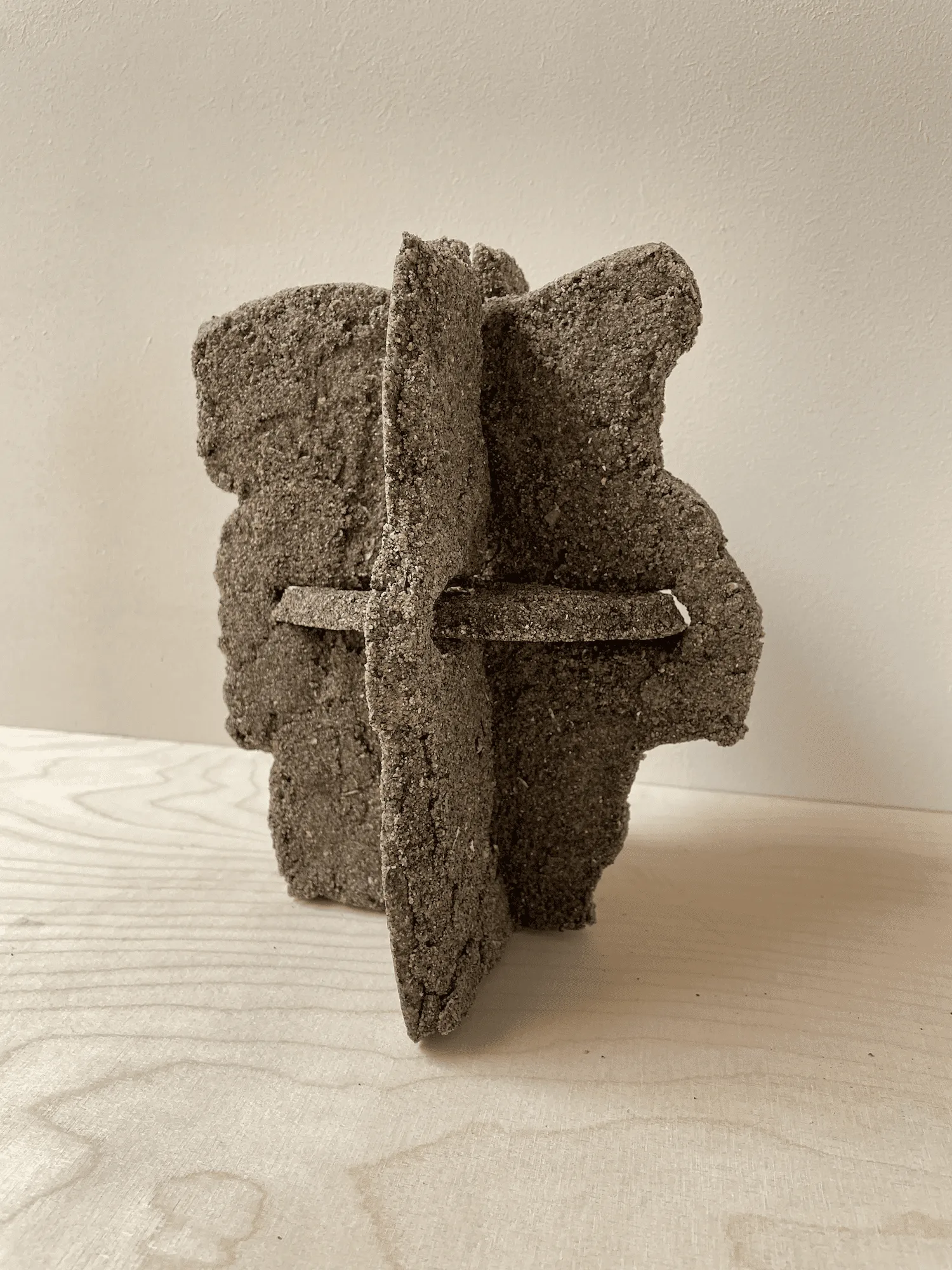
#002 — Lava sand
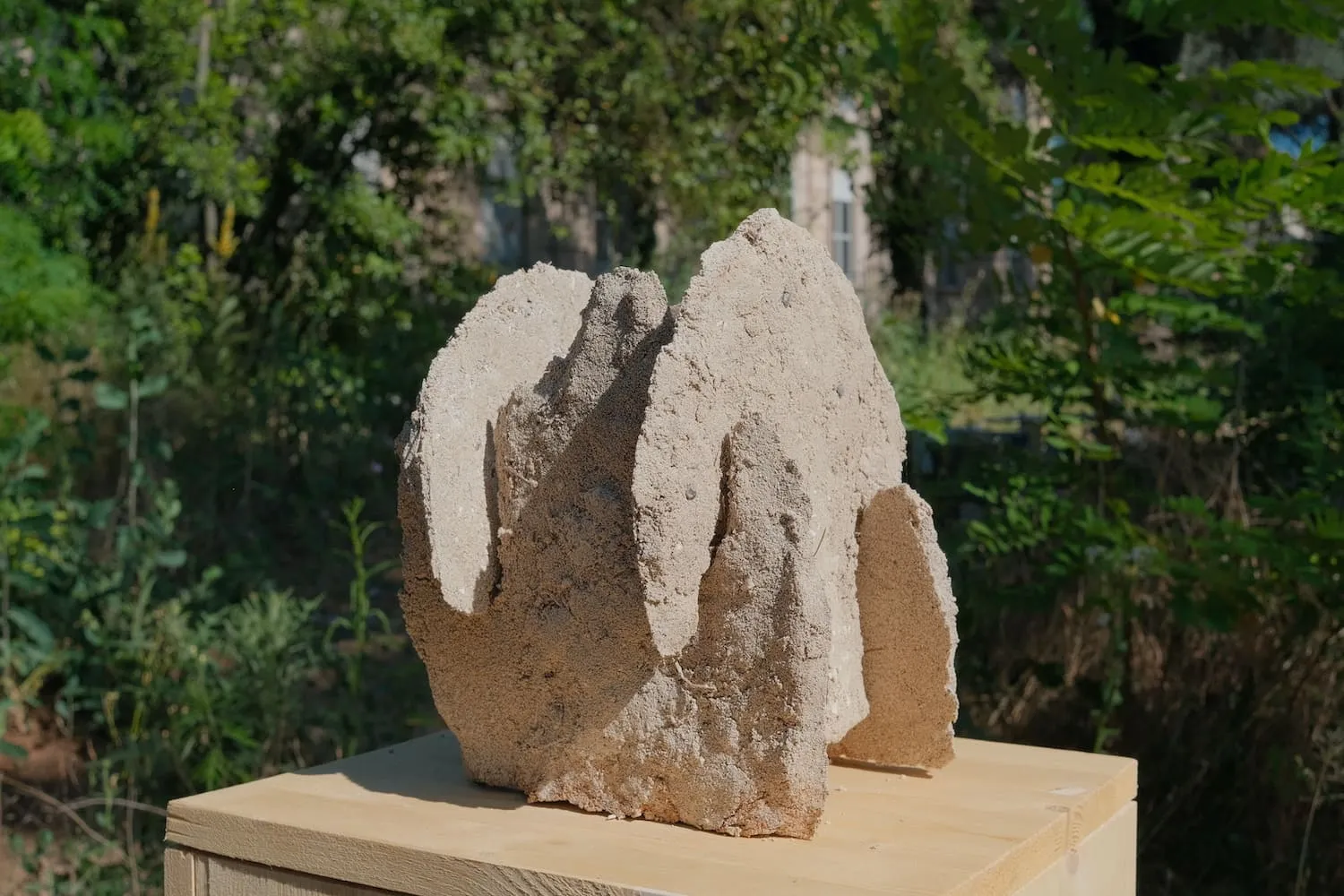
#003 — Marble powder
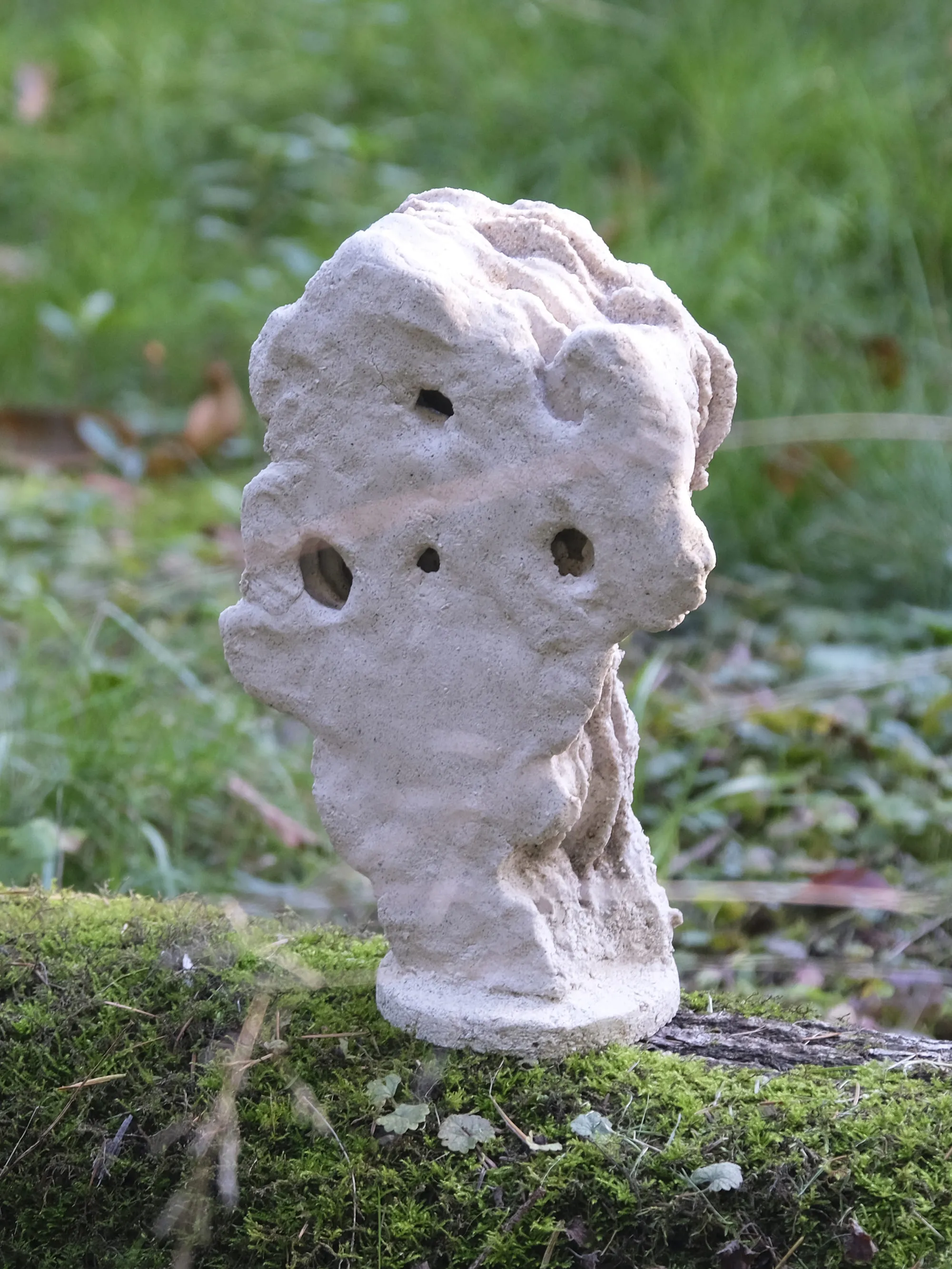
#004 — Calcium carbonate
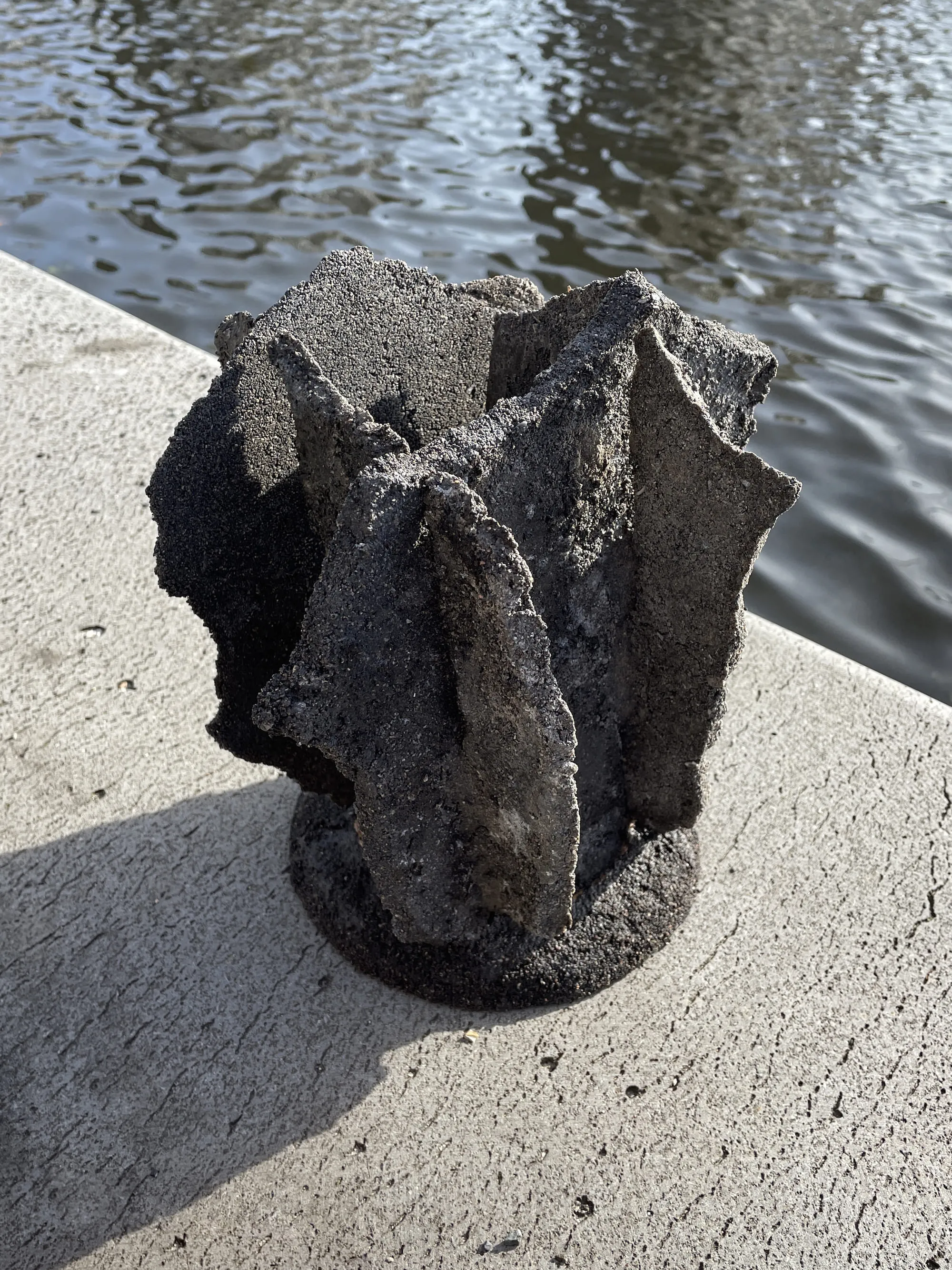
#005 — Asphalt
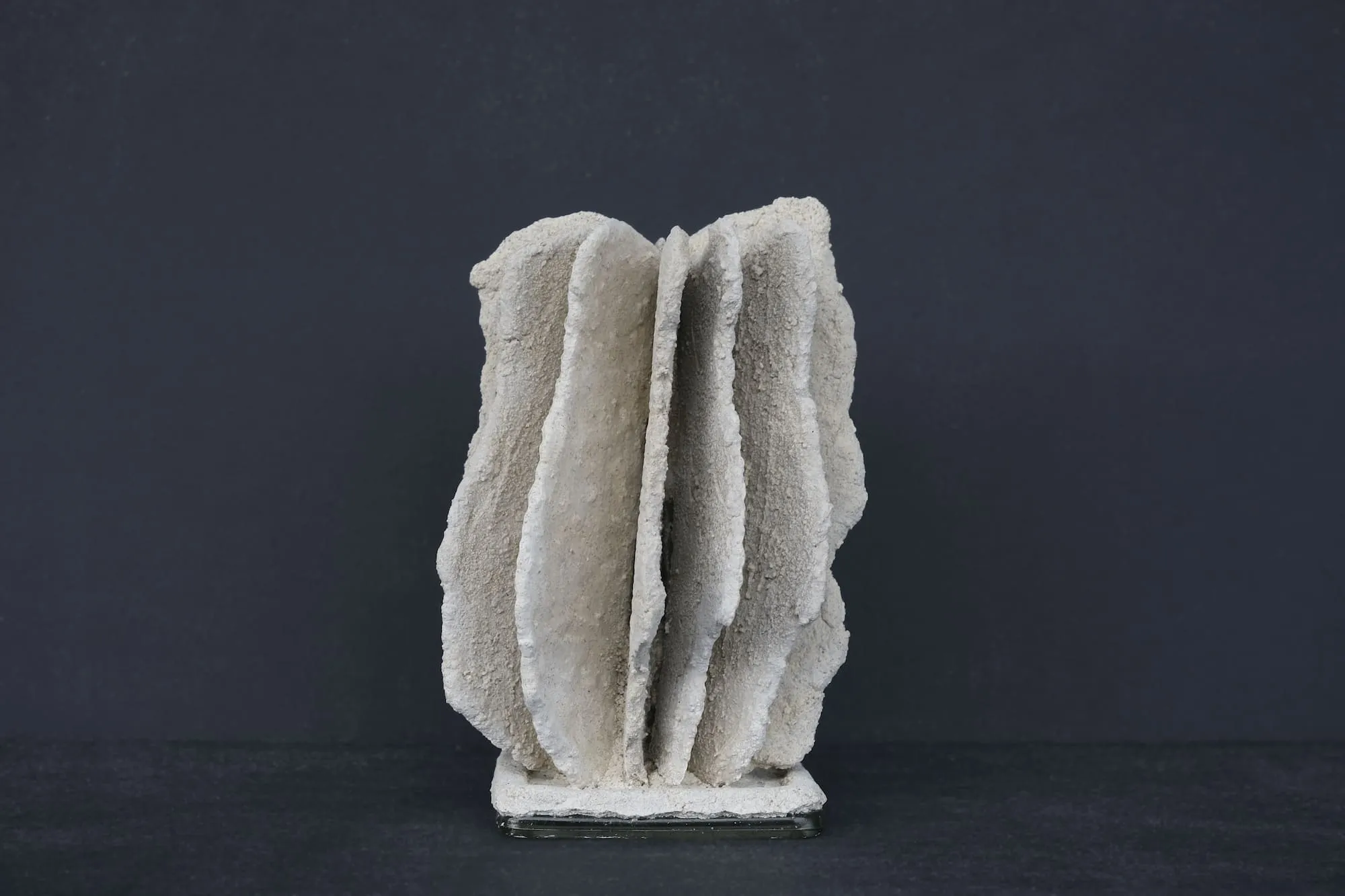
#006 — Marlstone
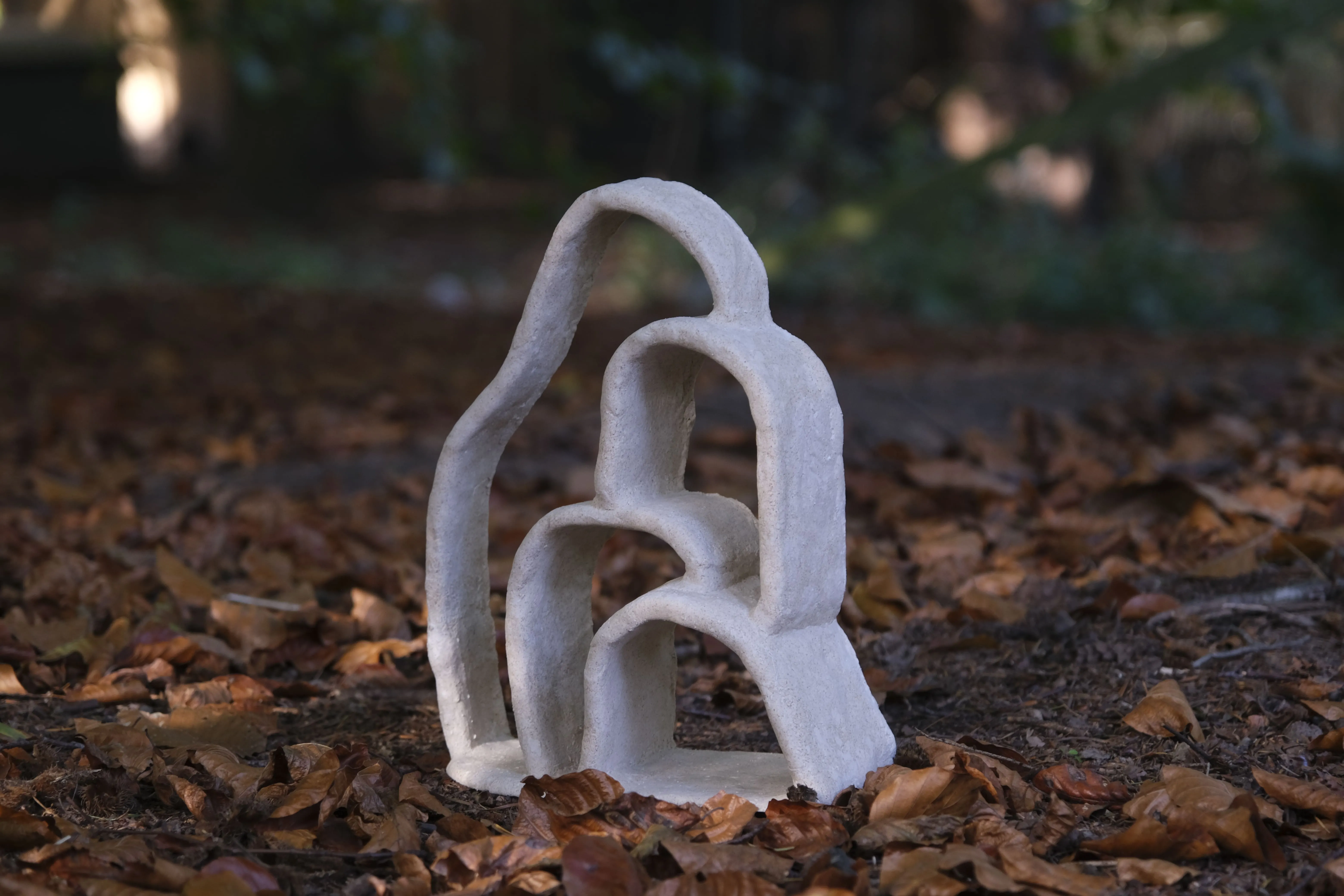
#007 — Limestone
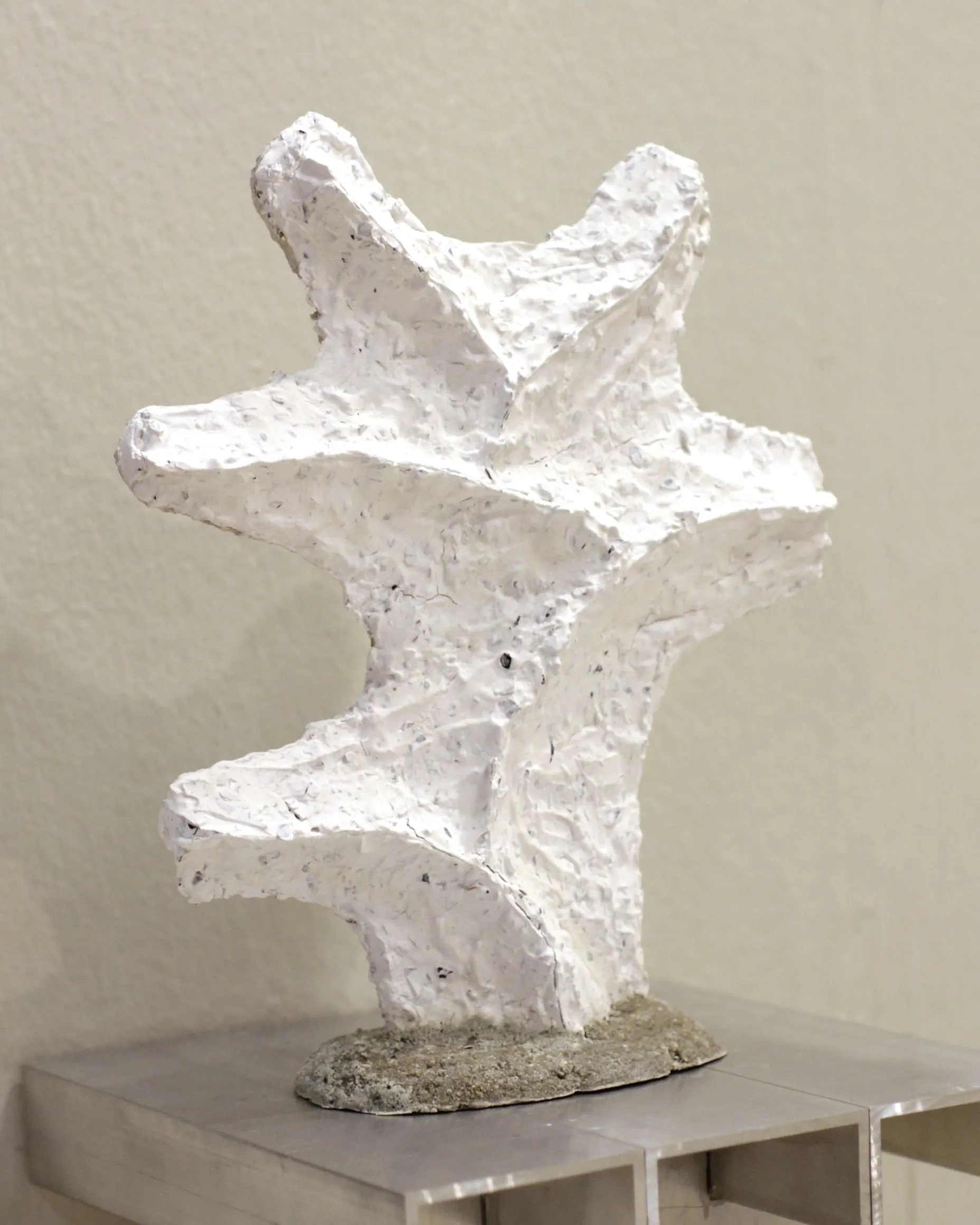
#008 — Limestone + sand
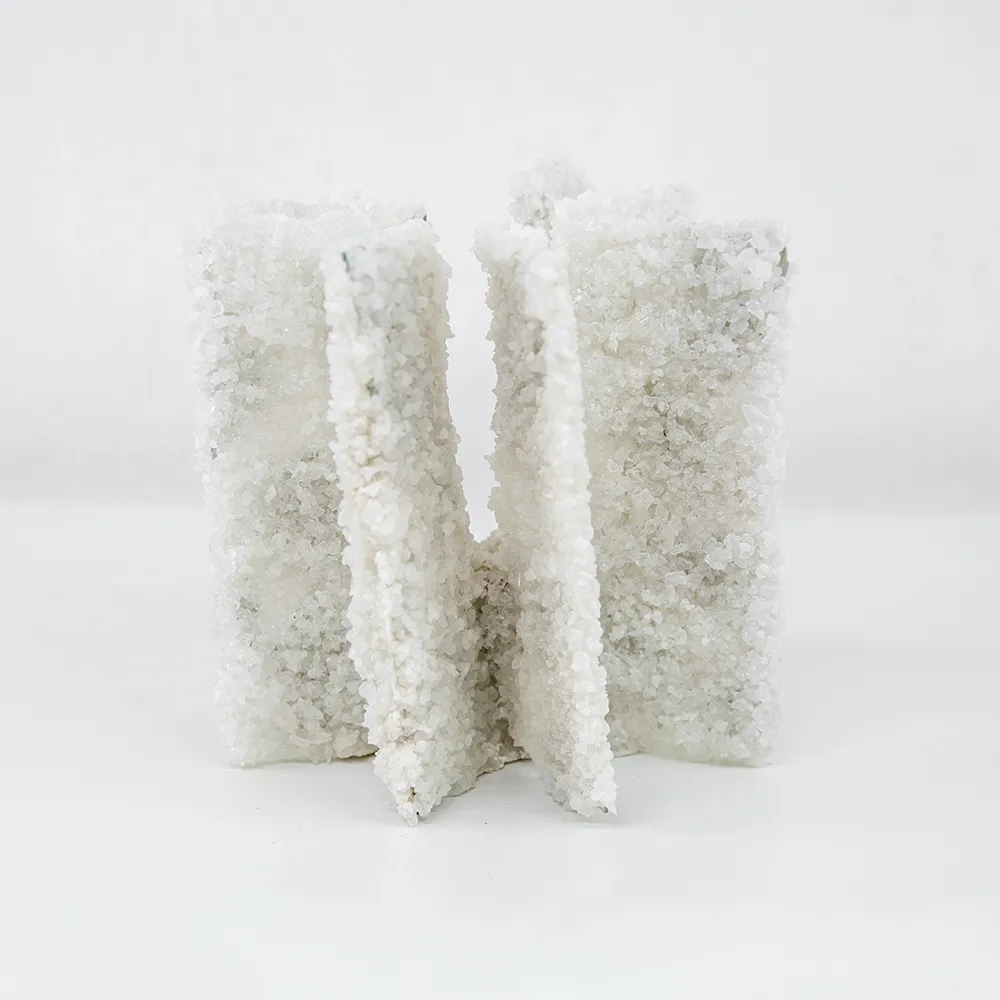
#009 — Glass chips
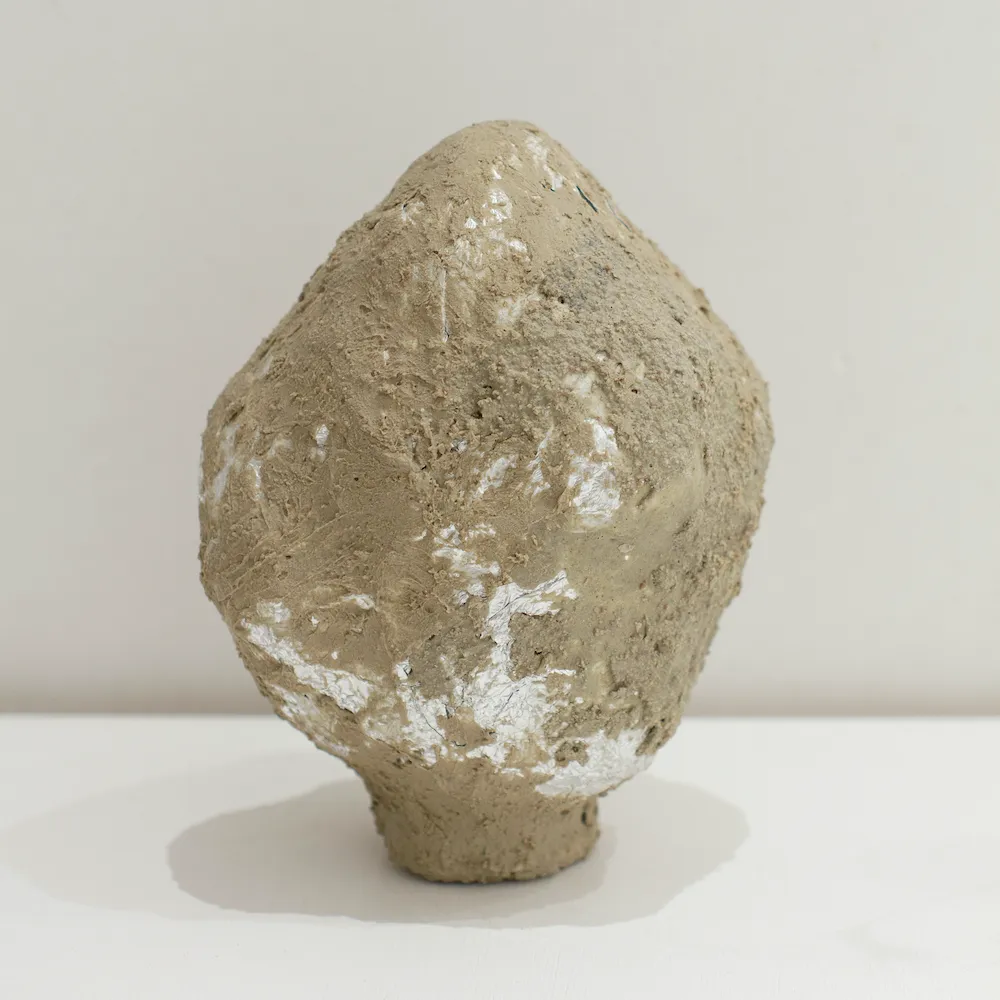
#010 — Clay + aluminum foils
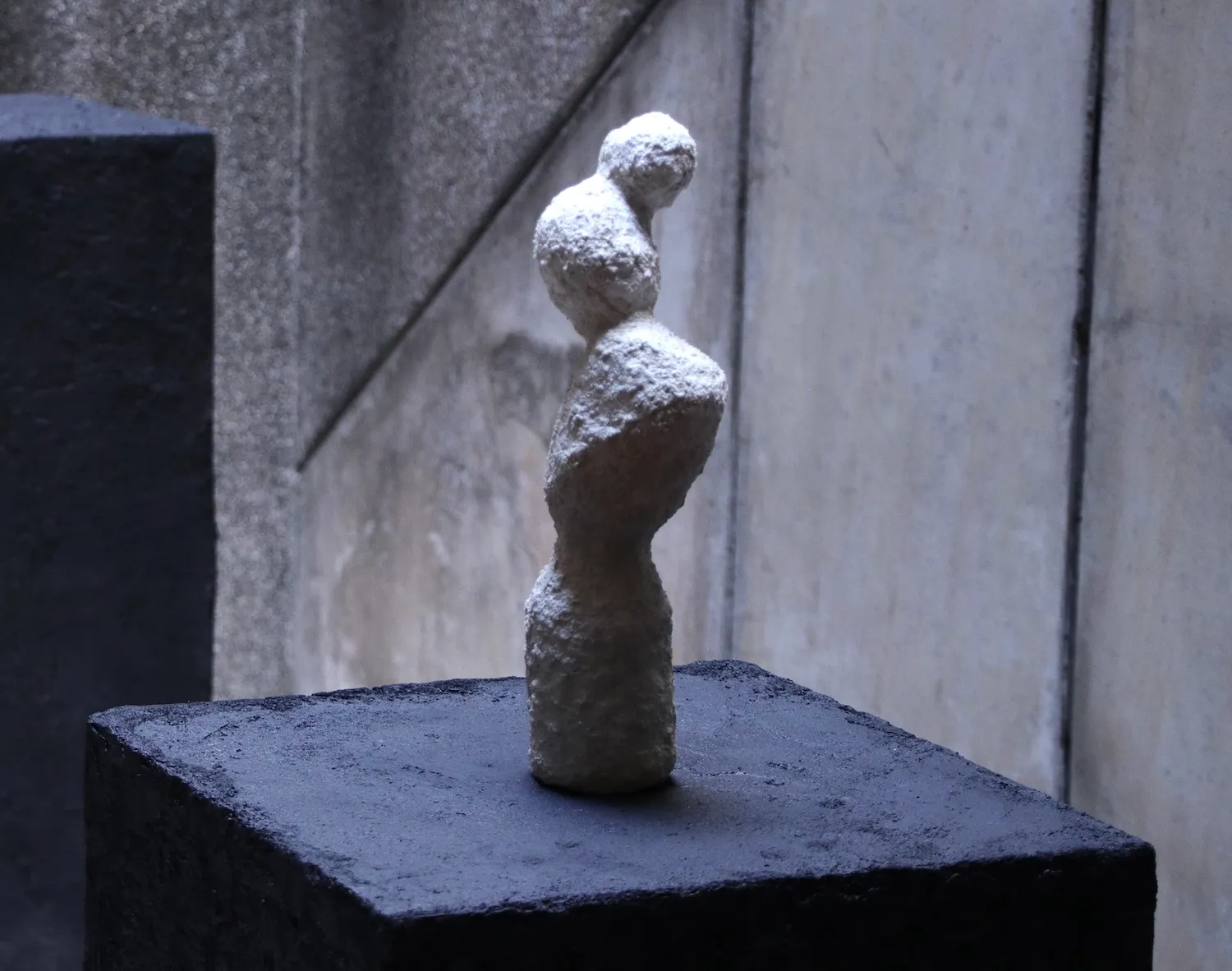
#011 — Calcium carbonate powder + aluminum cans
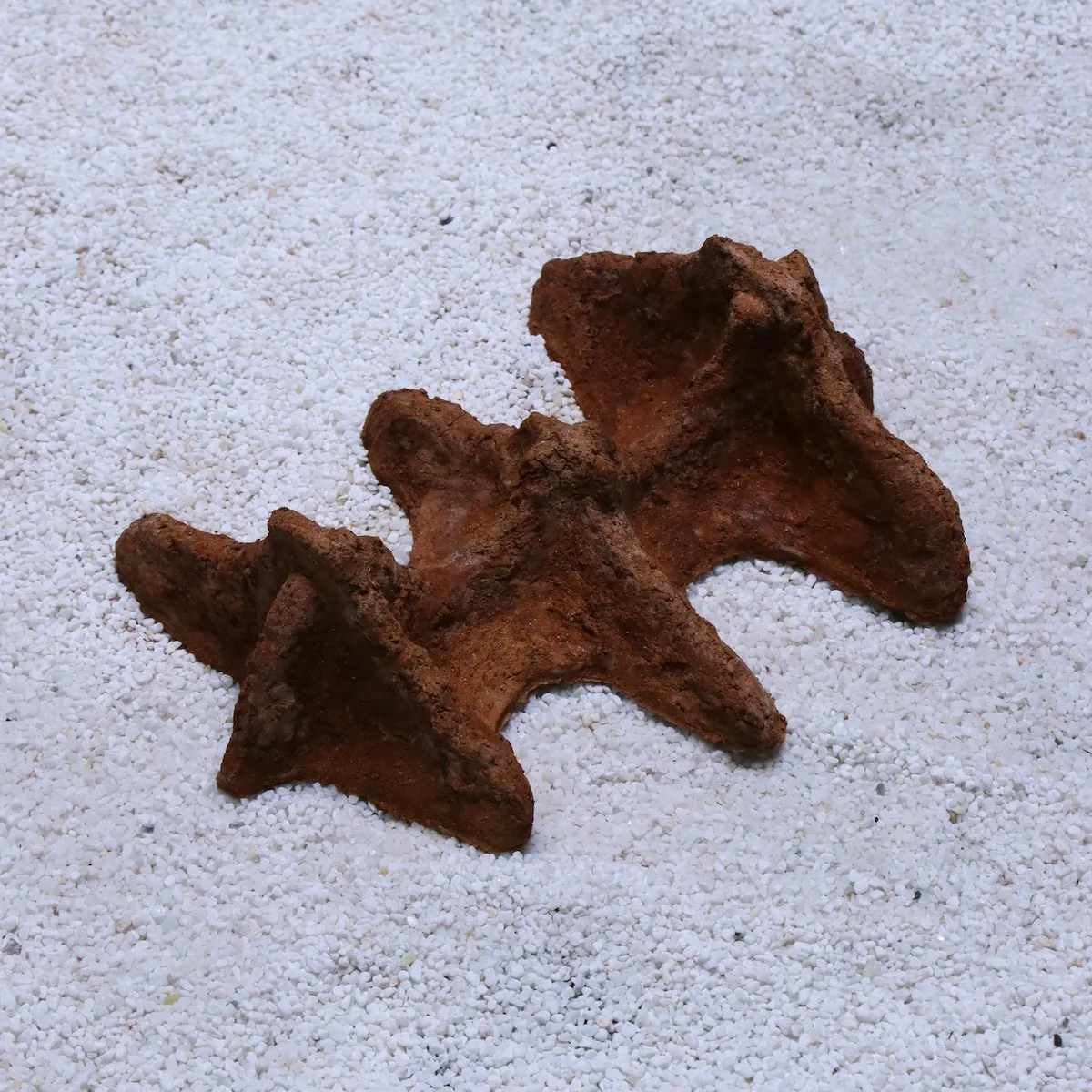
#012 — Laterite
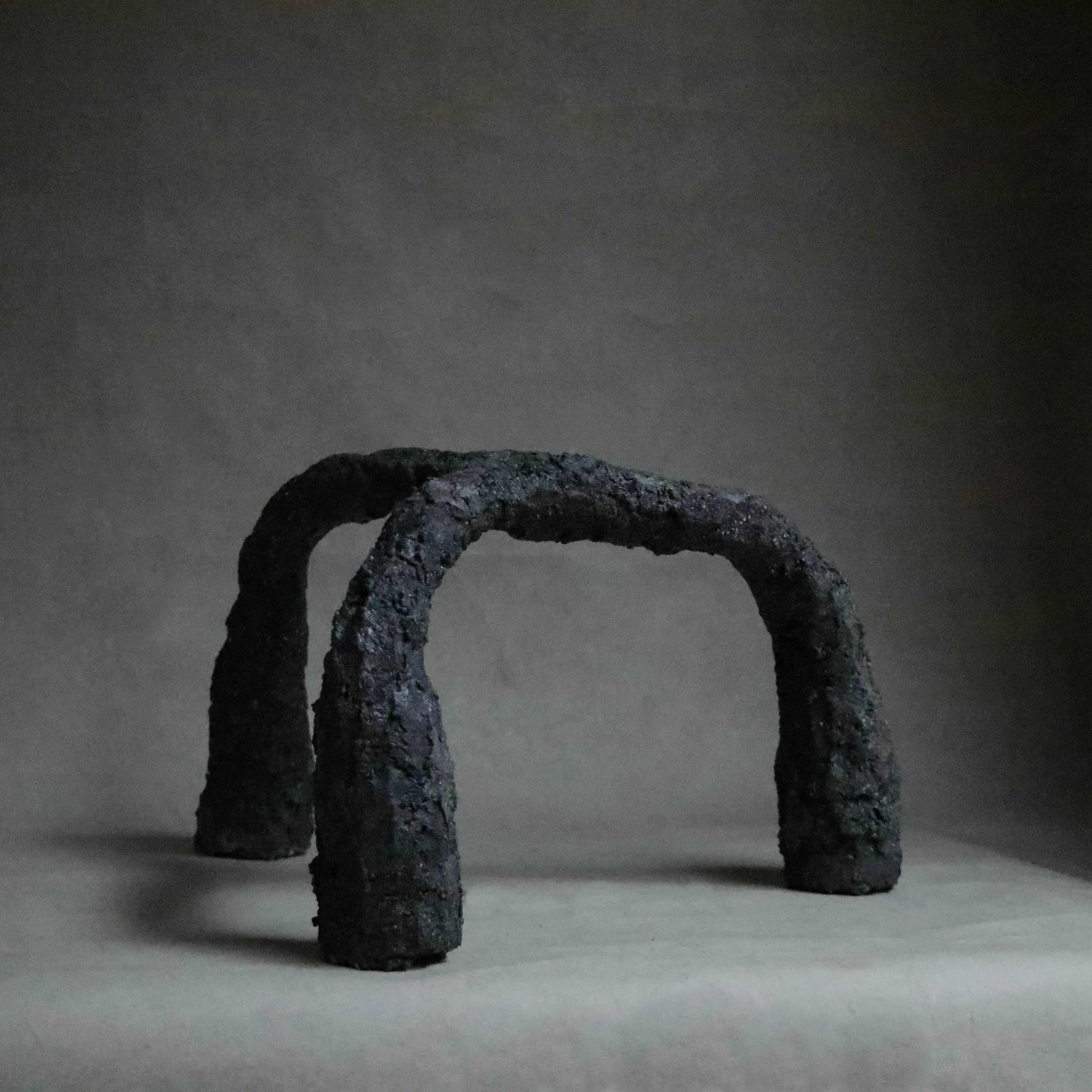
#013 — Foundry sand
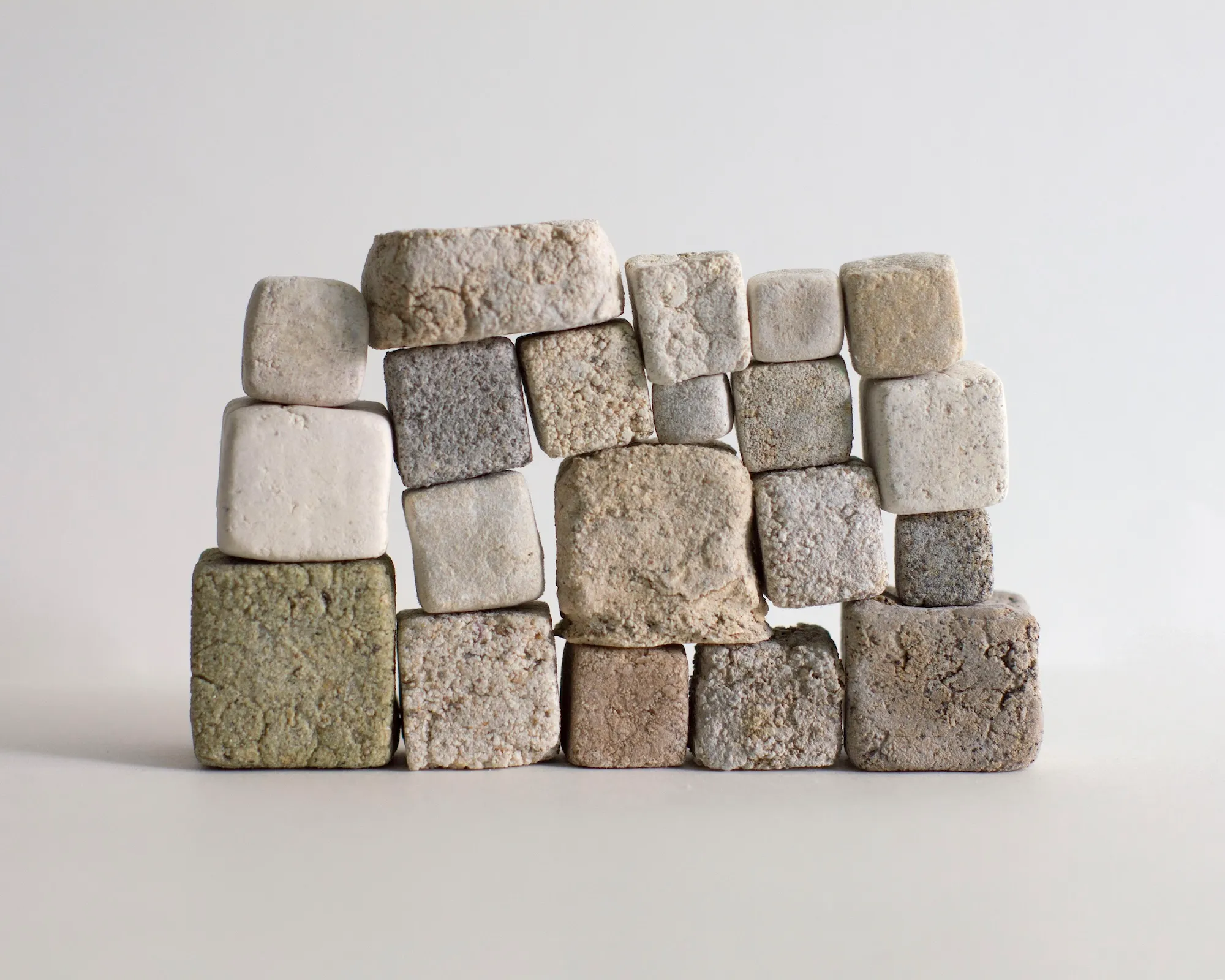
Neostone bricks
Exhibition展覽記錄
2021 KABK Graduation show
Neo Stone Age, Den Haag
荷蘭海牙皇家藝術學院畢業展
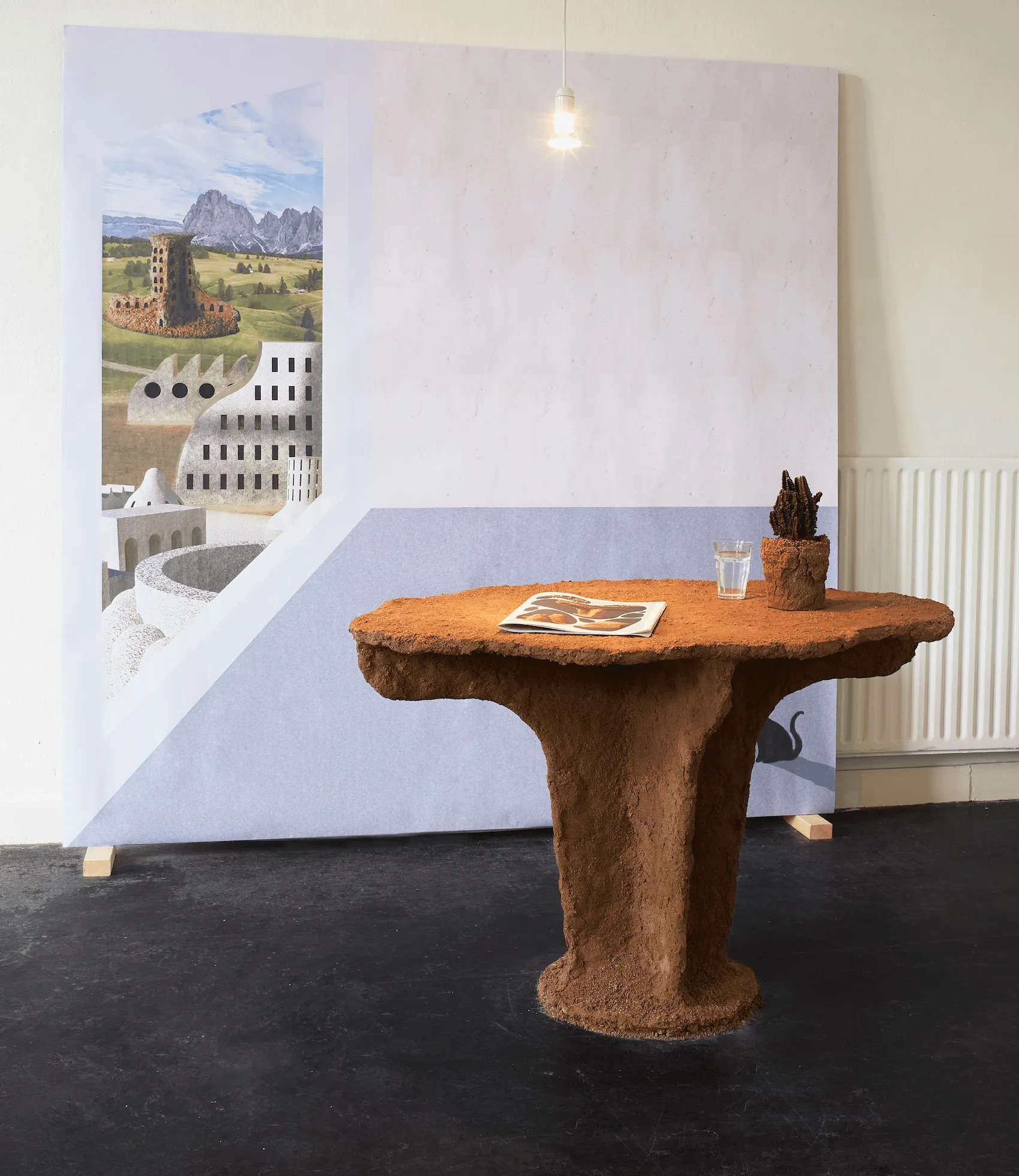
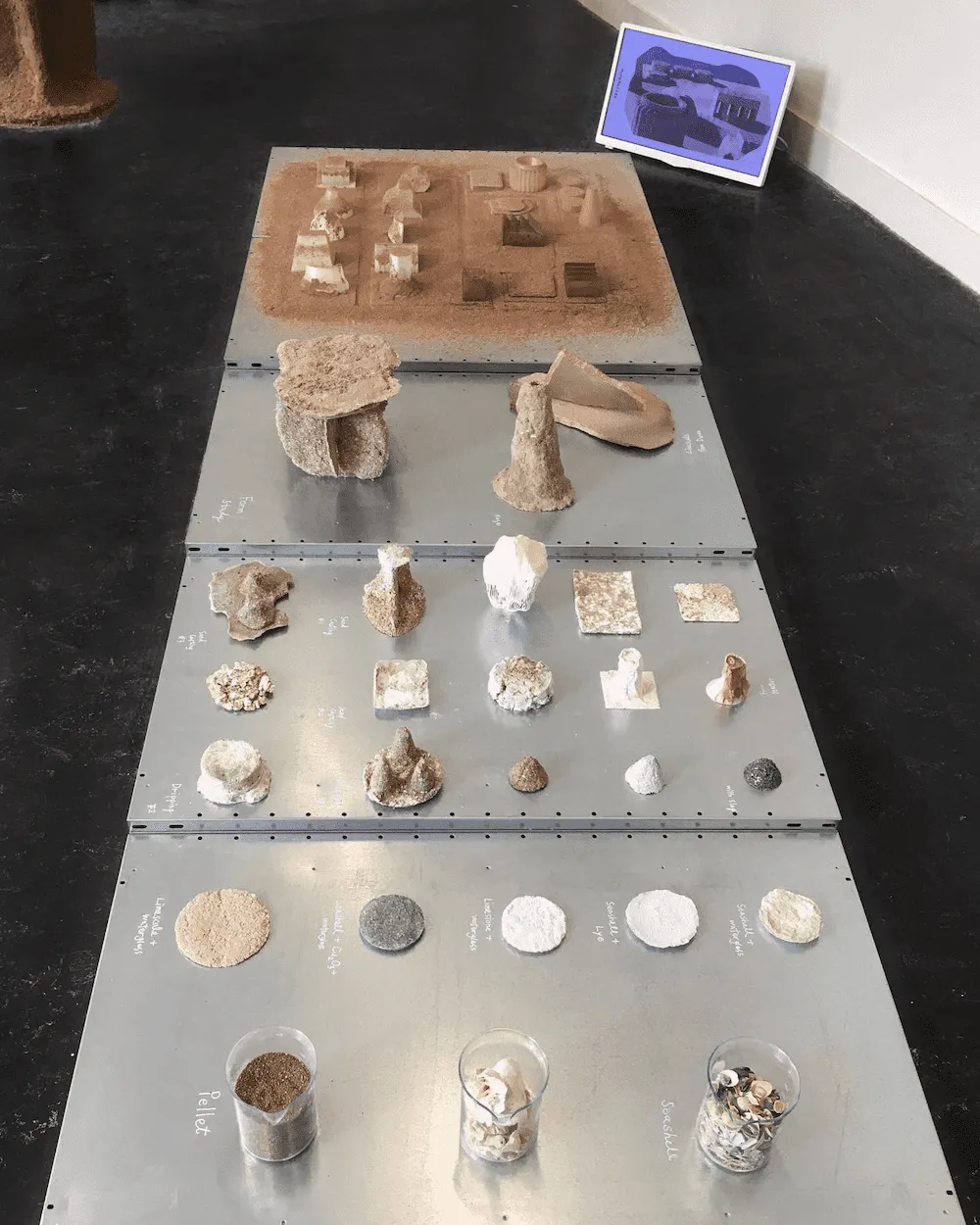
2021 DDW
Domesticating Limestone, Eindhoven
荷蘭設計師週
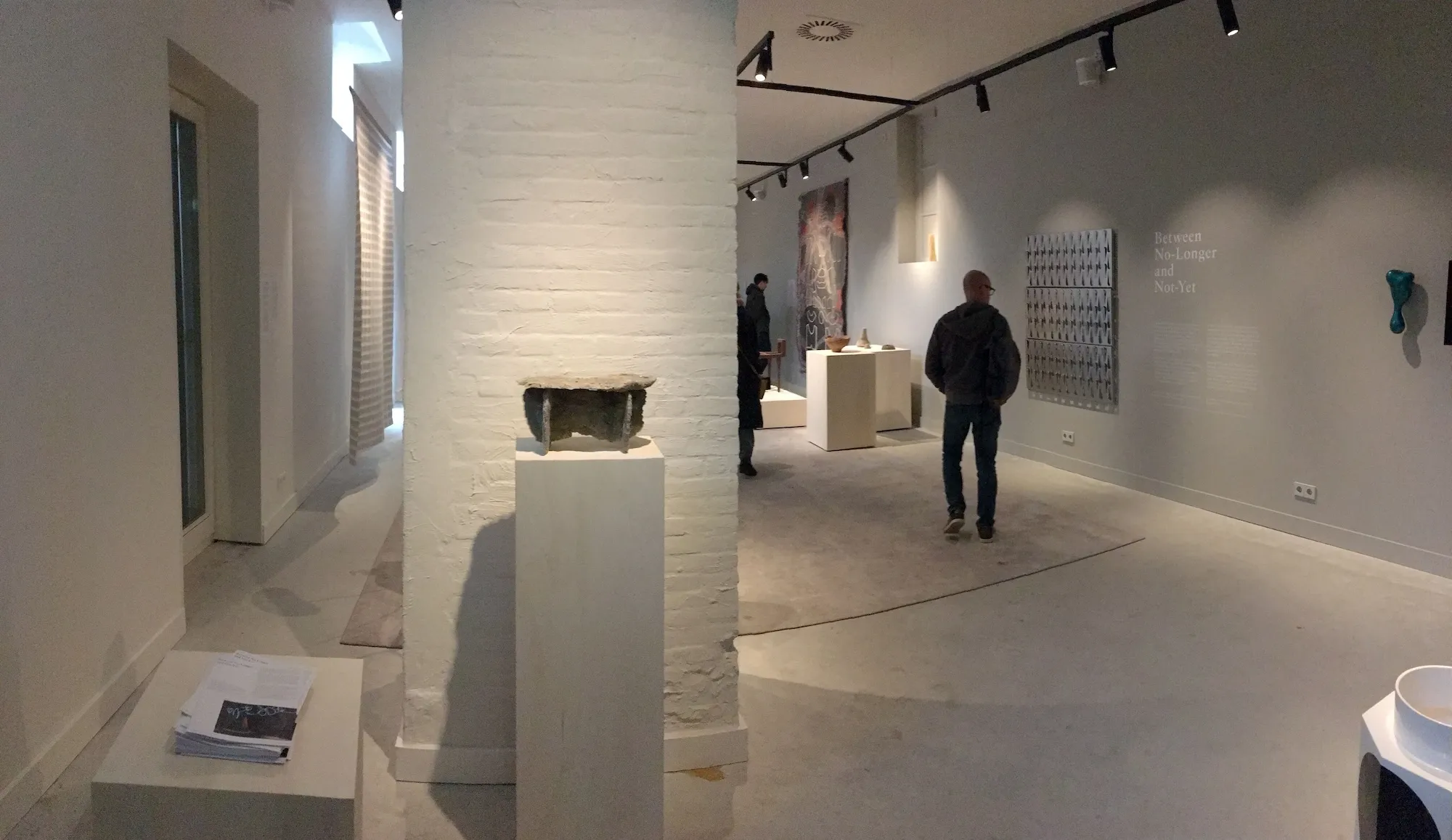
Kazerne
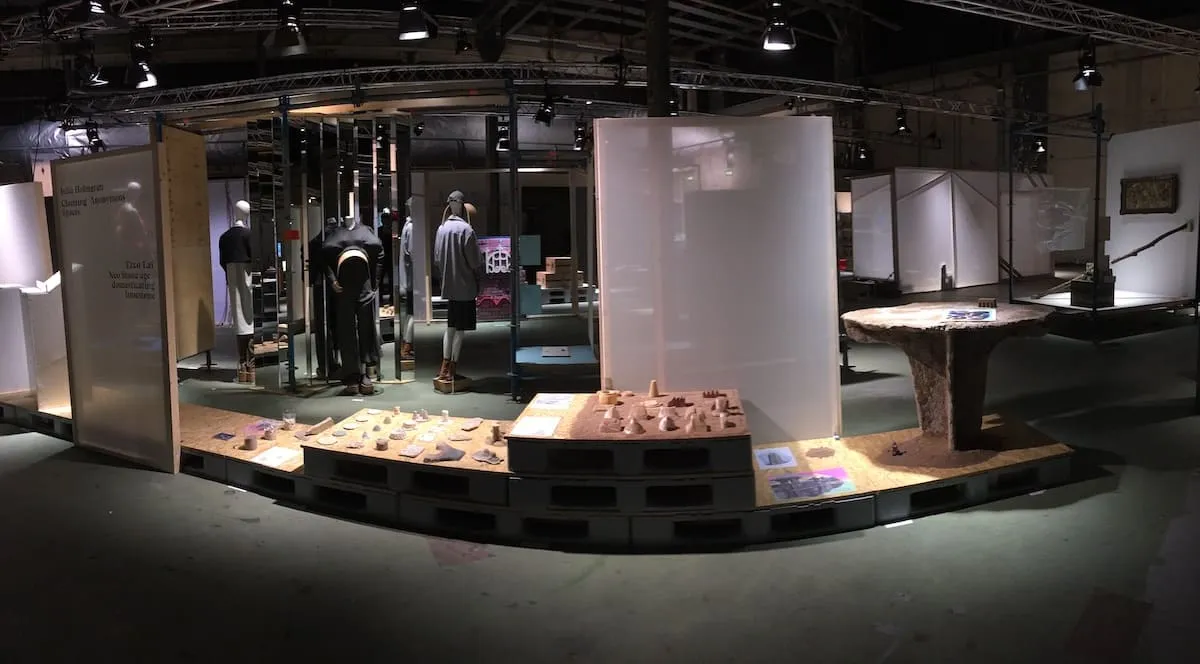
klokgebouw
2022 ALCOVA
Synthesizing Neostone, Milan
米蘭設計展
Further reading延伸閱讀
Geopolymer - Open Source Ecology
Mineralloop - New craft developed from Neostone
Biorock - Experiments on electrolysis
Material District - More properties info
Designboom - Reintroducing limescale as a building material and envisioning Neo Stone Age